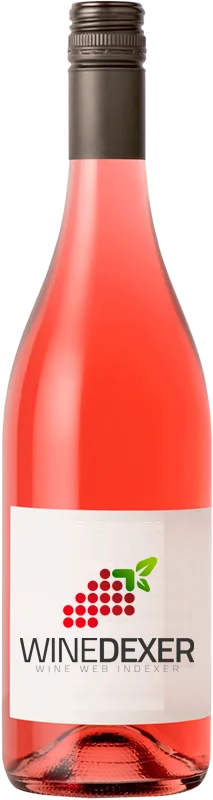
Winery Jostock Lammers & SohnMosel Trocken Blauer Spätburgunder
 Pink wine
This wine generally goes well with poultry, beef or veal.
Food and wine pairings with Mosel Trocken Blauer Spätburgunder
Pairings that work perfectly with Mosel Trocken Blauer Spätburgunder



Original food and wine pairings with Mosel Trocken Blauer Spätburgunder

The Mosel Trocken Blauer Spätburgunder of Winery Jostock Lammers & Sohn matches generally quite well with dishes of beef, veal or game (deer, venison) such as recipes of beef bobotie, osso buco with mushrooms or duck legs with green olives.
Details and technical informations about Winery Jostock Lammers & Sohn's Mosel Trocken Blauer Spätburgunder.
Discover the grape variety: Gamay Fréaux
Gamay Fréaux noir is a grape variety that originated in France (Burgundy). It produces a variety of grape specially used for wine making. It is rare to find this grape to eat on our tables. This variety of grape is characterized by small bunches, and grapes of small to medium size. The Gamay Fréaux noir can be found in several vineyards: South-West, Cognac, Bordeaux, Rhône valley, Provence & Corsica, Loire valley, Savoie & Bugey, Beaujolais, Armagnac.
Informations about the Winery Jostock Lammers & Sohn
The Winery Jostock Lammers & Sohn is one of of the world's greatest estates. It offers 6 wines for sale in the of Mosel to come and discover on site or to buy online.

The wine region of Mosel
Mosel is the most famous of Germany's 13 official wine regions, and also the third largest in terms of production. As with many German regions, it is most aasociated with a range of wine styles made from the Riesling grape variety, but Müller-Thurgau is also widely planted. The best Mosel Riesling wines are some of the finest whites in the world. Light and low in Alcohol, they can be intensely fragrant with beguiling Floral">floral and Mineral notes, and a wonderful Balance of sweetness and Acidity.
The word of the wine: Green harvest or green harvesting
The practice of removing excess bunches of grapes from certain vines, usually in July, but sometimes later. This is often necessary, but not always a good thing, as the remaining grapes tend to gain weight.