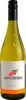
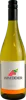
Winery Jm. MangeotCotes De Toul Cuvee Des Saveurs Blanc Auxerrois
 White wine
This wine generally goes well with
The Cotes De Toul Cuvee Des Saveurs Blanc Auxerrois of the Winery Jm. Mangeot is in the top 80 of wines of Côtes de Toul.

Details and technical informations about Winery Jm. Mangeot's Cotes De Toul Cuvee Des Saveurs Blanc Auxerrois.
Discover the grape variety: Procanico
Simple and lively dry whites with a pale golden robe, a supple palate and preserved acidity, with understated aromas of citrus (lemon), white flowers, white-fleshed fruits (pear, apple) and herbal notes. A thirst-quenching profile to drink young. An essential component of the Orvieto DOC appellation in Umbria, defining the viticultural identity of central Italy around Orvieto. Italian synonym for Trebbiano Toscano grown in Umbria, a productive white grape.
Informations about the Winery Jm. Mangeot
The Winery Jm. Mangeot is one of of the world's greatest estates. It offers 2 wines for sale in the of Côtes de Toul to come and discover on site or to buy online.

The wine region of Côtes de Toul
Lorraine AOC between Toul and the Meuse (~75 ha, vineyard sung by Ausonius in 350 AD), semi-continental cool climate, clay-limestone hillsides. Vin gris signature speciality: pale rosé blending Gamay (<=85%) and Pinot Noir (>=10%) by direct pressing — fresh and fruity with raspberry, redcurrant, citrus and floral touch, lively thirst-quenching finish. Ample Auxerrois in white and airy Pinot Noir in light red. Revived Lorraine identity, everyday wine.
The wine region of Moselle
World benchmark for cool-climate German Riesling, on vertiginous blue and grey slate slopes. Pure, precise whites with signature notes of lime, green apple, white peach, white flowers and marked chalky minerality ("gunflint"), low alcohol (~8-10%), taut acidity and crystalline tension. From dry Kabinett to sweet Auslese, up to luscious Beerenauslese, Trockenbeerenauslese and Eiswein. Also Müller-Thurgau and Elbling.
The word of the wine: Sapid
Said of a wine rich in flavours.