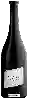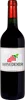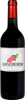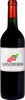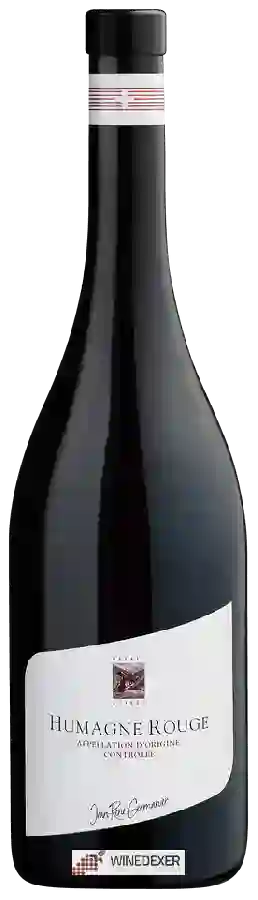
Winery Jean-René GermanierHumagne Rouge
 Red wine



In the mouth this red wine is a with a nice balance between acidity and tannins.
This wine generally goes well with
The Humagne Rouge of the Winery Jean-René Germanier is in the top 30 of wines of Valais.

Taste structure of the Humagne Rouge from the Winery Jean-René Germanier
Light | Bold | |
Smooth | Tannic | |
Dry | Sweet | |
Soft | Acidic |
In the mouth the Humagne Rouge of Winery Jean-René Germanier in the region of Valais is a with a nice balance between acidity and tannins.
Wine flavors and olphactive analysis




On the nose the Humagne Rouge of Winery Jean-René Germanier in the region of Valais often reveals types of flavors of non oak, earth or oak and sometimes also flavors of spices, red fruit or black fruit.
Details and technical informations about Winery Jean-René Germanier's Humagne Rouge.
Discover the grape variety: Humagne rouge
Structured, wild reds with a sustained ruby robe, firm tannins and fresh alpine acidity, with aromas of red fruit (cherry, raspberry), violet, garrigue, spice, dried herbs and characteristic animal notes. Dense palate, fine ageing potential. Star of the great Valais reds on the sun-drenched slopes of the Swiss Rhône (Sierre, Salquenen, Chamoson). Autochthonous Aosta Valley variety, identical to Cornalin d'Aoste in Italy, with no genetic link to Humagne Blanche.
Last vintages of this wine
The best vintages of Humagne Rouge from Winery Jean-René Germanier are 2022, 2021, 2020, 2018 and 2019.
Informations about the Winery Jean-René Germanier
The Winery Jean-René Germanier is one of of the world's great estates. It offers 71 wines for sale in the of Valais to come and discover on site or to buy online.

The wine region of Valais
Switzerland's largest vineyard, capital of native grapes. Straight, precise alpine whites: light, floral Chasselas (Fendant), signature Petite Arvine with saline, grapefruit and rhubarb notes, rich, apricoty Amigne, mineral Humagne Blanche. Altitude reds: fine Pinot Noir, crisp Gamay, native Cornalin and Humagne Rouge, spicy and deep. Highly precise alpine age-worthy wines.
The word of the wine: Dense
Rich and concentrated wine with tight tannins and a consistent body.