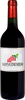
Maison Jean PlaLe Loup
 Red wine
This wine generally goes well with beef, veal or pasta.

Food and wine pairings with Le Loup
Pairings that work perfectly with Le Loup



Original food and wine pairings with Le Loup
The Le Loup of Maison Jean Pla matches generally quite well with dishes of beef, pasta or veal such as recipes of pasta al forno (baked pasta), lasagna with pointed cabbage or veal paupiettes with beer.
Details and technical informations about Maison Jean Pla's Le Loup.
Discover the grape variety: Oeillade noire
Light and fruity reds with a pale, lightly coloured ruby robe, smooth tannins, an airy palate with moderate acidity, and aromas of red fruits (strawberry, raspberry), soft spices and floral notes. Accessible southern profile. Preserved for its heritage value, surviving in a few southern French plots; studied for its ampelographic interest. Native French black variety from Provence and Languedoc, identical to Cinsault according to some analyses.
Informations about the Maison Jean Pla
The Maison Jean Pla is one of of the world's great estates. It offers 54 wines for sale in the of Côtes Catalanes to come and discover on site or to buy online.

The wine region of Côtes Catalanes
Expressive Roussillon heartland: signature Grenache Noir as the red king — fleshy and sunny with notes of ripe cherry, raspberry, garrigue, spices and a peppery touch, round tannins and generous alcohol on schist. Deep Syrah, dense Carignan and Mourvèdre as support. Grenache Gris/Blanc, Macabeu and Vermentino in round whites (fennel, citrus, flowers). Aromatic Muscats.
The wine region of Pays d'Oc
The single-grape IGP par excellence: modern, accessible, frank and fruity wines, the popular signature of the Midi. Spicy Syrah reds (pepper, blackberry), round Merlot, structured Cabernet, generous Grenache, supple Cinsault. Crisp, tangy rosés. Opulent Chardonnay whites, lively Sauvignon, floral, apricoty Viognier.
The word of the wine: Decanting
A sommelier uses a decanter to separate the clear wine from the solid parts in a bottle.