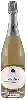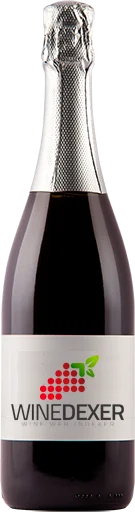
Winery Jean-Luc Merle-ViticulteurReserve de L'Alfatiere Brut
 Sparkling wine
This wine generally goes well with beef, veal or pasta.
The Reserve de L'Alfatiere Brut of the Winery Jean-Luc Merle-Viticulteur is in the top 5 of wines of Beaujolais.
Food and wine pairings with Reserve de L'Alfatiere Brut
Pairings that work perfectly with Reserve de L'Alfatiere Brut



Original food and wine pairings with Reserve de L'Alfatiere Brut
The Reserve de L'Alfatiere Brut of Winery Jean-Luc Merle-Viticulteur matches generally quite well with dishes such as recipes .
Details and technical informations about Winery Jean-Luc Merle-Viticulteur's Reserve de L'Alfatiere Brut.
Discover the grape variety: Onchette
A very old grape variety that was once grown on the left bank of the Drac Valley in the south of the Isère department - Cordéac, Saint Jean d'Hérans, Saint Baudille et Pipet, ... -. Virtually unknown in other French wine-growing regions, it is very little propagated today, although it is registered in the Official Catalogue of wine grape varieties, list A1. According to Thierry Lacombe (I.N.R.A./Montpellier), it is the result of a natural intraspecific cross between the white gouais and the chatus, as is also the serenèze of Voreppe.
Informations about the Winery Jean-Luc Merle-Viticulteur
The Winery Jean-Luc Merle-Viticulteur is one of of the world's greatest estates. It offers 2 wines for sale in the of Beaujolais to come and discover on site or to buy online.

The wine region of Beaujolais
Beaujolais is an important wine region in eastern France, famous for its vibrant, Fruity red wines made from Gamay. It is located immediately South of Burgundy, of which it is sometimes considered a Part, although it is in the administrative region of Rhône. The extensive plantings of Gamay in this region make Beaujolais one of the few regions in the world that is so concentrated on a single Grape variety. Pinot Noir is used in small quantities in red and rosé wines, but in the name of regional identity, it is being phased out and will only be allowed until the 2015 harvest.
The word of the wine: Piqué
Altered wine characterized by a vinegar smell.