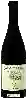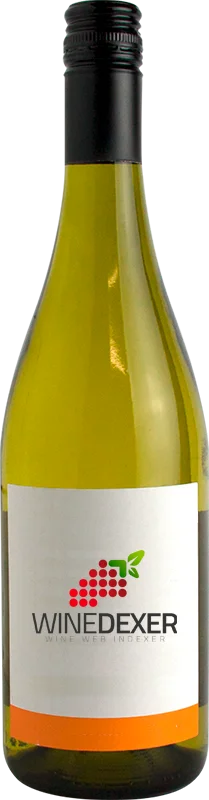
Winery Jean-Louis DenoisCuvée Collection Vins Rares Chenin
 White wine
This wine generally goes well with vegetarian, poultry or lean fish.
Food and wine pairings with Cuvée Collection Vins Rares Chenin
Pairings that work perfectly with Cuvée Collection Vins Rares Chenin



Original food and wine pairings with Cuvée Collection Vins Rares Chenin


The Cuvée Collection Vins Rares Chenin of Winery Jean-Louis Denois matches generally quite well with dishes of pasta, vegetarian or poultry such as recipes of lasagna with courgettes and fresh goat cheese, tuna, pepper and tomato quiche or buckwheat pancakes filled with egg, cheese and ham.
Details and technical informations about Winery Jean-Louis Denois's Cuvée Collection Vins Rares Chenin.
Discover the grape variety: Chenin blanc
It most certainly originates from the Anjou region and is registered in the official catalogue of wine grape varieties on the A1 list. It can also be found in South Africa, Australia, Argentina, Chile, the United States (California), New Zealand, etc. It is said to be a descendant of Savagnin and to have sauvignonasse as its second parent (Jean-Michel Boursiquot 2019). On the other hand, Chenin blanc is the half-brother of verdelho and sauvignon blanc and is the father of colombard.
Informations about the Winery Jean-Louis Denois
The Winery Jean-Louis Denois is one of of the world's great estates. It offers 77 wines for sale in the of Languedoc-Roussillon to come and discover on site or to buy online.

The wine region of Languedoc-Roussillon
Languedoc (formerly Coteaux du Languedoc) is a key appellation used in the Languedoc-Roussillon wine region of southern France. It covers Dry table wines of all three colors (red, white and rosé) from the entire region, but leaves Sweet and Sparkling wines to other more specialized appellations. About 75% of all Languedoc wines are red, with the remaining 25% split roughly down the middle between whites and rosés. The appellation covers most of the Languedoc region and almost a third of all the vineyards in France.
The word of the wine: VQPRD
Quality wine produced in a specific region. European designation that groups together appellation wines, i.e., in France, AOC and VDQS.