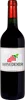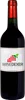
Winery Jean Francois CoquardLittle Brother Bonarda
 Red wine


In the mouth this red wine is a powerful.
This wine generally goes well with beef, game (deer, venison) or lamb.

Taste structure of the Little Brother Bonarda from the Winery Jean Francois Coquard
Light | Bold | |
Smooth | Tannic | |
Dry | Sweet | |
Soft | Acidic |
In the mouth the Little Brother Bonarda of Winery Jean Francois Coquard in the region of Lombardia is a powerful.
Food and wine pairings with Little Brother Bonarda
Pairings that work perfectly with Little Brother Bonarda



Original food and wine pairings with Little Brother Bonarda

The Little Brother Bonarda of Winery Jean Francois Coquard matches generally quite well with dishes of beef, pasta or lamb such as recipes of beef with mustard, pasta gratin or irish stew with beer.
Details and technical informations about Winery Jean Francois Coquard's Little Brother Bonarda.
Discover the grape variety: Furmint
Taut, structured whites with cutting acidity and a mineral mouth, featuring aromas of apple, quince, citrus, honey, smoke and chalk notes. Made as ambitious dry wines (Tokaji száraz, Somló), off-dry and especially sumptuous botrytised sweet wines: Tokaji Aszú (legendary, classified by puttonyos) and Tokaji Eszencia. Highly susceptible to noble rot. The absolute star of Tokaj in Hungary, also in Slovakia, Slovenia (Šipon) and Austria. Native Hungarian grape.
Informations about the Winery Jean Francois Coquard
The Winery Jean Francois Coquard is one of of the world's greatest estates. It offers 9 wines for sale in the of Lombardia to come and discover on site or to buy online.

The wine region of Lombardia
Three poles. Franciacorta DOCG, Italy's answer to Champagne: elegant brioche traditional-method sparklers (Chardonnay, Pinot Noir, Pinot Blanc), fine bubble and mineral profile. Alpine Valtellina: Nebbiolo (alias Chiavennasca) with fine tannins and red fruits, powerful Sforzato passito. Oltrepò Pavese: fresh Pinot Noir and fruity-sparkling Bonarda.
The word of the wine: Young
A very relative term that can designate a wine of the year that is already at its optimum, as well as a wine that has passed its first year but has not yet developed all its qualities.