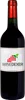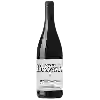
Winery Jean d'EstavelCôtes du Roussillon Villages
 Red wine
This wine generally goes well with beef, veal or pasta.
Food and wine pairings with Côtes du Roussillon Villages
Pairings that work perfectly with Côtes du Roussillon Villages



Original food and wine pairings with Côtes du Roussillon Villages
The Côtes du Roussillon Villages of Winery Jean d'Estavel matches generally quite well with dishes of beef, pasta or veal such as recipes of tournedos rossini with port sauce, salmon and spinach lasagna or veal roast casserole.
Details and technical informations about Winery Jean d'Estavel's Côtes du Roussillon Villages.
Discover the grape variety: Artaban
Wine grape variety of the INRA-Resdur1 series with polygenic resistance (two genes for mildew and powdery mildew have been identified) resulting from an interspecific cross, obtained in 2000, between Mtp 3082-1-42 (one of its parents is Vitis rotundifolia, which is resistant to Pierce's disease, mildew, grey rot, etc.) and Regent. It is registered in the Official Catalogue of wine grape varieties list A1.
Informations about the Winery Jean d'Estavel
The Winery Jean d'Estavel is one of wineries to follow in Côtes du Roussillon Villages.. It offers 7 wines for sale in the of Côtes du Roussillon Villages to come and discover on site or to buy online.

The wine region of Côtes du Roussillon Villages
The wine region of Côtes du Roussillon Villages is located in the region of Côtes du Roussillon of Languedoc-Roussillon of France. Wineries and vineyards like the Domaine du Clos des Fées or the Domaine de Rombeau produce mainly wines red, white and pink. The most planted grape varieties in the region of Côtes du Roussillon Villages are Mourvèdre, Lledoner pelut and Pinot noir, they are then used in wines in blends or as a single variety. On the nose of Côtes du Roussillon Villages often reveals types of flavors of cherry, anise or black plum and sometimes also flavors of citrus fruit, tree fruit or fennel.
The wine region of Languedoc-Roussillon
Languedoc (formerly Coteaux du Languedoc) is a key appellation used in the Languedoc-Roussillon wine region of southern France. It covers Dry table wines of all three colors (red, white and rosé) from the entire region, but leaves Sweet and Sparkling wines to other more specialized appellations. About 75% of all Languedoc wines are red, with the remaining 25% split roughly down the middle between whites and rosés. The appellation covers most of the Languedoc region and almost a third of all the vineyards in France.
The word of the wine: Baco 22A
A white grape variety resulting from the hybridization of the folle blanche and the noah. It is the only hybrid to remain authorized in a French appellation vineyard, that of Armagnac, where it thrives in particular on the tawny sands of Bas-Armagnac. When distilled, its wine produces round, smooth and aromatic eaux-de-vie with hints of ripe fruit.