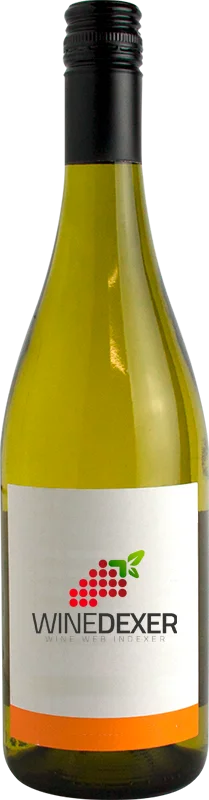
Winery Jean Baptiste ThibaultLe Sauvignon Blanc
 White wine


This wine generally goes well with vegetarian, rich fish (salmon, tuna etc) or shellfish.

Food and wine pairings with Le Sauvignon Blanc
Pairings that work perfectly with Le Sauvignon Blanc



Original food and wine pairings with Le Sauvignon Blanc
The Le Sauvignon Blanc of Winery Jean Baptiste Thibault matches generally quite well with dishes of rich fish (salmon, tuna etc), shellfish or vegetarian such as recipes of brandade of cod from nimes, samoussa 3 reunionese cheeses or tuna, pepper and tomato quiche.
Details and technical informations about Winery Jean Baptiste Thibault's Le Sauvignon Blanc.
Discover the grape variety: Candin
Simple and fresh dry whites, pale golden colour, supple mouth with moderate acidity, with understated aromas of citrus and white flowers. Discreet rustic profile. Preserved in a few ampelographic collections as a heritage variety, studied for its genetic interest. Rare and poorly documented white grape grown in very small quantities.
Informations about the Winery Jean Baptiste Thibault
The Winery Jean Baptiste Thibault is one of of the world's great estates. It offers 38 wines for sale in the of Loire Valley to come and discover on site or to buy online.

The wine region of Loire Valley
Kingdom of lively, dry whites and fine sparklers. Mineral, taut Sauvignon Blanc (Sancerre, Pouilly-Fumé) with citrus and gunflint notes. Multiform Chenin Blanc (Vouvray, Savennières, Layon): straight dry, floral off-dry or noble sweet honey-quince. Saline, iodised Muscadet (Melon B.
The word of the wine: Distinguished
Said of a fine, elegant wine that is outstanding in its category.