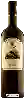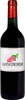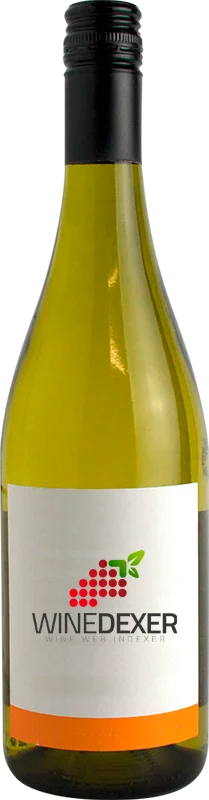
Winery Fattoria UccellieraSoluva Bianco
 White wine


In the mouth this white wine is a with a nice freshness.
This wine generally goes well with vegetarian, appetizers and snacks or lean fish.
Taste structure of the Soluva Bianco from the Winery Fattoria Uccelliera
Light | Bold | |
Dry | Sweet | |
Soft | Acidic |
In the mouth the Soluva Bianco of Winery Fattoria Uccelliera in the region of Tuscany is a with a nice freshness.
Food and wine pairings with Soluva Bianco
Pairings that work perfectly with Soluva Bianco



Original food and wine pairings with Soluva Bianco


The Soluva Bianco of Winery Fattoria Uccelliera matches generally quite well with dishes of pasta, vegetarian or appetizers and snacks such as recipes of pasta with vongoles (flat clams), zucchini and goat cheese quiche or assortments of mini savoury tarts.
Details and technical informations about Winery Fattoria Uccelliera's Soluva Bianco.
Discover the grape variety: Lafnetscha
Native grape variety of the Swiss high Valais very old cultivated. Resulting from a natural intraspecific crossing between humagne blanche and completer, it is also related to bondola blanca, bondoletta, colombaud, ... . It should be noted that the Lafnetscha is not widely multiplied in Switzerland today, and is virtually unknown in France and even less so in other wine-producing countries.
Last vintages of this wine
The best vintages of Soluva Bianco from Winery Fattoria Uccelliera are 0
Informations about the Winery Fattoria Uccelliera
The Winery Fattoria Uccelliera is one of of the world's great estates. It offers 18 wines for sale in the of Tuscany to come and discover on site or to buy online.

The wine region of Tuscany
Tuscany is one of the most famous and prolific wine regions in Europe. It is best known for its Dry red wines made from Sangiovese grapes, which dominate production. These include Chianti, Brunello di Montalcino and Vino Nobile di Montepulciano. The region's Vin Santo is also highly prized, as are its passito dessert wines, though these are produced in comparatively tiny quantities.
The word of the wine: Decanter
1) Glass container with a narrow neck used to aerate or decant the wine. 2) Decanter wines: wines that are drunk young and that were once drawn directly from the barrel. For example, some Muscadets or Beaujolais.