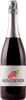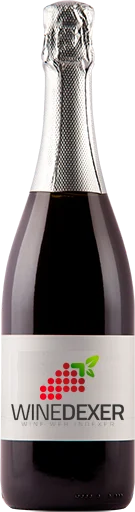
Winery TraversaBrio Rosato Spumante Brut
 Sparkling wine


This wine generally goes well with beef and mature and hard cheese.

Food and wine pairings with Brio Rosato Spumante Brut
Pairings that work perfectly with Brio Rosato Spumante Brut


Original food and wine pairings with Brio Rosato Spumante Brut
The Brio Rosato Spumante Brut of Winery Traversa matches generally quite well with dishes of beef or mature and hard cheese such as recipes of simple baked roast beef or spinach cannelloni.
Details and technical informations about Winery Traversa's Brio Rosato Spumante Brut.
Discover the grape variety: Raboso Piave
Structured, tannic reds with an inky robe, firm tannins and sharp high acidity (hence its name, rabbioso = fierce), with aromas of sour cherry, blackberry, plum, spice, leather, tobacco and balsamic notes. Fine ageing potential after several years of elevage. Star of Piave Malanotte DOCG (partly from dried grapes) and Piave Raboso DOC in the province of Treviso, along the Piave river. Very late-ripening autochthonous Venetian variety.
Last vintages of this wine
The best vintages of Brio Rosato Spumante Brut from Winery Traversa are 2018, 2016, 0
Informations about the Winery Traversa
The Winery Traversa is one of of the world's great estates. It offers 19 wines for sale in the of Piedmont to come and discover on site or to buy online.

The wine region of Piedmont
Kingdom of Nebbiolo: Barolo and Barbaresco DOCG, long-ageing reds with firm tannins and lively acidity, complex aromas of withered rose, sour cherry, tar, truffle and undergrowth. More accessible, tangy Barbera on red fruit, supple, crisp Dolcetto. Sweet, floral sparkling Moscato d'Asti, mineral, lemony Gavi (Cortese) white, round, almondy Arneis from Roero. 50,000 ha across the Langhe, Roero and Monferrato, UNESCO.
The word of the wine: Barrel
Unit of measure for the transport and marketing of bulk wines, corresponding to 4 barrels of 225 l, i.e. 900 l.