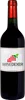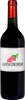
Winery Tenuta Col FalcoRosso dell'Umbria
 Red wine



In the mouth this red wine is a powerful with a nice balance between acidity and tannins.
This wine generally goes well with poultry, beef or veal.

Taste structure of the Rosso dell'Umbria from the Winery Tenuta Col Falco
Light | Bold | |
Smooth | Tannic | |
Dry | Sweet | |
Soft | Acidic |
In the mouth the Rosso dell'Umbria of Winery Tenuta Col Falco in the region of Umbria is a powerful with a nice balance between acidity and tannins.
Food and wine pairings with Rosso dell'Umbria
Pairings that work perfectly with Rosso dell'Umbria



Original food and wine pairings with Rosso dell'Umbria

The Rosso dell'Umbria of Winery Tenuta Col Falco matches generally quite well with dishes of beef, pasta or veal such as recipes of navarin of lamb, my grandmother's macaroni gratin with gruyere cheese and smoked ham or oven-baked veal cutlets.
Details and technical informations about Winery Tenuta Col Falco's Rosso dell'Umbria.
Discover the grape variety: Sangiovese
Firm, upright reds with precise acidity and angular tannins, showing aromas of sour cherry, plum, dried herbs, leather, black tea and balsamic notes. Characteristically bitter, savoury finish. Star of Chianti Classico DOCG, Brunello di Montalcino DOCG, Vino Nobile di Montepulciano DOCG and Morellino di Scansano. Italy's most planted variety, a descendant of Ciliegiolo × Calabrese di Montenuovo.
Last vintages of this wine
The best vintages of Rosso dell'Umbria from Winery Tenuta Col Falco are 2012, 2014, 0, 2010 and 2008.
Informations about the Winery Tenuta Col Falco
The Winery Tenuta Col Falco is one of of the world's greatest estates. It offers 12 wines for sale in the of Umbria to come and discover on site or to buy online.

The wine region of Umbria
"Green heart" of Italy, cradle of Sagrantino: exceptional tannic red in Sagrantino di Montefalco DOCG, dense and concentrated with notes of blackberry, candied plum, liquorice, spice and leather, powerful tannins and long ageing. Suppler Sangiovese in blends, Cabernet and Merlot in Torgiano DOCG. Orvieto whites based on Grechetto and Trebbiano, full and almondy, from dry to sweet Muffato. ~13,000 ha between Tuscany and Lazio.
The word of the wine: Vinification
Method and set of techniques for making wine.