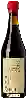
Winery FenechMalvasia delle Lipari Passito
 Sweet wine


This wine generally goes well with
The Malvasia delle Lipari Passito of the Winery Fenech is in the top 30 of wines of Sicily.
Wine flavors and olphactive analysis




On the nose the Malvasia delle Lipari Passito of Winery Fenech in the region of Sicily often reveals types of flavors of peach, apricot or orange and sometimes also flavors of honey, non oak or earth.
Details and technical informations about Winery Fenech's Malvasia delle Lipari Passito.
Discover the grape variety: Lakemont
Interspecific cross between ontario (winchell x diamond) and sultana made in 1972 by John Einset (1915/1981) at the New York State Agricultural Experimental Station (United States). It is certainly known in the United States but also in Canada, in many European wine-producing countries including Germany and England where it is cultivated under greenhouses and tunnels, most often cold, ... little multiplied and therefore little known in France except by amateur gardeners. The interlaken which looks a little like the himrod, the himrod and the romulus have the same parents.
Last vintages of this wine
The best vintages of Malvasia delle Lipari Passito from Winery Fenech are 2010, 2017, 2013, 2018 and 2012.
Informations about the Winery Fenech
The Winery Fenech is one of of the world's greatest estates. It offers 7 wines for sale in the of Sicily to come and discover on site or to buy online.

The wine region of Sicily
Sicily is the Southernmost region of Italy, and the largest island in the Mediterranean Sea. For over 2500 years, Sicily (Sicilia in Italian) has been an important centre of Mediterranean viticulture, although the reputation and style of its wines have changed considerably over time. The island was once best known for its Sweet muscatels (see Pantelleria), and later for its fortified Marsala. Today, many of its best-known wines are Dry table wines produced under the regional designation IGT Terre Siciliane, or Sicilia DOC (see below).
The word of the wine: Size
Cutting of shoots to regulate and balance the growth of the vine in order to control productivity.