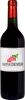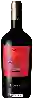
Winery Villa CornaroPinot Nero
 Red wine
In the mouth this red wine is a powerful.
This wine generally goes well with beef, game (deer, venison) or lamb.
Taste structure of the Pinot Nero from the Winery Villa Cornaro
Light | Bold | |
Smooth | Tannic | |
Dry | Sweet | |
Soft | Acidic |
In the mouth the Pinot Nero of Winery Villa Cornaro in the region of Veneto is a powerful.
Food and wine pairings with Pinot Nero
Pairings that work perfectly with Pinot Nero



Original food and wine pairings with Pinot Nero

The Pinot Nero of Winery Villa Cornaro matches generally quite well with dishes of beef, pasta or lamb such as recipes of pork tongue with tomato sauce and pickles, lasagna bolognese or lamb tagine with dried fruits.
Details and technical informations about Winery Villa Cornaro's Pinot Nero.
Discover the grape variety: Corvina Grossa
Supple, fruity reds with a clear to intense ruby colour, silky tannins and charming palate, showing signature aromas of red fruits (cherry, morello cherry, raspberry), gentle spices, violet and typical bitter notes. Airy profile for early or short-aged drinking. Contributes to Valpolicella DOC and Bardolino DOC blends, adding roundness and fruitiness. Larger, more productive cluster variant of corvina, a native Italian black variety from Veneto.
Informations about the Winery Villa Cornaro
The Winery Villa Cornaro is one of of the world's great estates. It offers 26 wines for sale in the of Veneto to come and discover on site or to buy online.

The wine region of Veneto
World star of Prosecco: fresh, light Glera sparklers with notes of pear, green apple and white flowers, fruity, convivial bubbles. Veronese reds from Corvina and Rondinella: light, crisp Bardolino, fruity Valpolicella, opulent, concentrated Amarone DOCG (black cherry, chocolate, raisin) from dried grapes. Mineral, almondy Soave (Garganega) whites, fresh Pinot Grigio. 97,500 ha, Italy's largest production.
The word of the wine: Overmaturation
When the grapes reach maturity, the skin becomes permeable and progressively loses water, which causes a concentration phenomenon inside the berry. This is called over-ripening or passerillage.