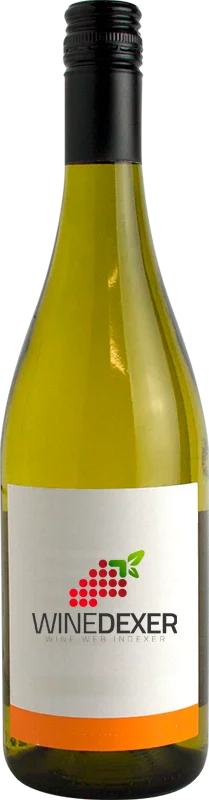
Winery Istvándy PincészetRizling Fütty
 White wine



This wine generally goes well with pork, vegetarian or poultry.
Food and wine pairings with Rizling Fütty
Pairings that work perfectly with Rizling Fütty



Original food and wine pairings with Rizling Fütty



The Rizling Fütty of Winery Istvándy Pincészet matches generally quite well with dishes of pork, rich fish (salmon, tuna etc) or spicy food such as recipes of home-made coq au vin, chinchards with white wine and grapes or chicken breast with curry and mushrooms.
Details and technical informations about Winery Istvándy Pincészet's Rizling Fütty.
Discover the grape variety: Riesling
White Riesling is a grape variety that originated in France (Alsace). It produces a variety of grape specially used for the elaboration of wine. It is rare to find this grape to eat on our tables. This variety of grape is characterized by small bunches, and small grapes. White Riesling can be found in many vineyards: Alsace, Loire Valley, Languedoc & Roussillon, Lorraine, Provence & Corsica, Rhone Valley, Savoie & Bugey, Beaujolais, South West.
Last vintages of this wine
The best vintages of Rizling Fütty from Winery Istvándy Pincészet are 0, 2017
Informations about the Winery Istvándy Pincészet
The Winery Istvándy Pincészet is one of of the world's greatest estates. It offers 20 wines for sale in the of Balaton to come and discover on site or to buy online.

The wine region of Balaton
Balatonboglar (South Balaton) is one of several wine regions on the shores of Lake Balaton, in the Transdanubia region of western Hungary. Lake Balaton is a Long, thin freshwater lake measuring almost 80 kilometers (50 miles) in Length, sometimes referred to as the 'Hungarian Sea. ' It is the largest lake in Central Europe and Hungary's most popular tourist destination. A wide portfolio of the popular, internationally recognized Grape varieties are grown here, including a number of the French classics.
The word of the wine: Second fermentation
In the making of champagne, fermentation of the base wine to which is added the liqueur de tirage and which takes place in the bottle. This second fermentation produces the carbon dioxide, and therefore the bubbles that make up the effervescence of the wine.