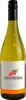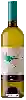
Winery Il PupilloFior di Pupillo Bianco
 White wine
In the mouth this white wine is a with a nice freshness.
This wine generally goes well with vegetarian, appetizers and snacks or lean fish.
Taste structure of the Fior di Pupillo Bianco from the Winery Il Pupillo
Light | Bold | |
Dry | Sweet | |
Soft | Acidic |
In the mouth the Fior di Pupillo Bianco of Winery Il Pupillo in the region of Tuscany is a with a nice freshness.
Food and wine pairings with Fior di Pupillo Bianco
Pairings that work perfectly with Fior di Pupillo Bianco



Original food and wine pairings with Fior di Pupillo Bianco


The Fior di Pupillo Bianco of Winery Il Pupillo matches generally quite well with dishes of pasta, vegetarian or appetizers and snacks such as recipes of spaghetti with squid ink (italy), broccoli and blue cheese quiche without pastry or baguette filled with saint moret and ham.
Details and technical informations about Winery Il Pupillo's Fior di Pupillo Bianco.
Discover the grape variety: Seinoir
Seinoir noir is a grape variety that originated in . This grape variety is the result of a cross between the same species (interspecific hybridization). It produces a variety of grape specially used for wine making. It is rare to find this grape to eat on our tables. The Seinoir noir can be found cultivated in the following vineyards: Provence & Corsica, Rhône Valley, Loire Valley, Savoie & Bugey, Beaujolais.
Informations about the Winery Il Pupillo
The Winery Il Pupillo is one of of the world's great estates. It offers 18 wines for sale in the of Tuscany to come and discover on site or to buy online.

The wine region of Tuscany
Tuscany is one of the most famous and prolific wine regions in Europe. It is best known for its Dry red wines made from Sangiovese grapes, which dominate production. These include Chianti, Brunello di Montalcino and Vino Nobile di Montepulciano. The region's Vin Santo is also highly prized, as are its passito dessert wines, though these are produced in comparatively tiny quantities.
The word of the wine: Extraction
All the methods (pumping over, punching down) that allow the colour and tannins to be extracted from the grape skin during maceration, before fermentation begins. It is also possible to macerate after fermentation, but gently, so as not to extract the tannins from the seeds, which are greener. Because of its solvent power, alcohol favours extraction.