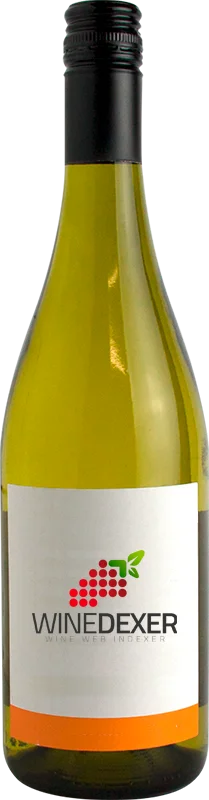
Winery Il PadrinoZibibbo di Sicilia
 White wine



In the mouth this white wine is a powerful.
This wine generally goes well with vegetarian, appetizers and snacks or shellfish.
Taste structure of the Zibibbo di Sicilia from the Winery Il Padrino
Light | Bold | |
Dry | Sweet | |
Soft | Acidic |
In the mouth the Zibibbo di Sicilia of Winery Il Padrino in the region of Sicily is a powerful.
Food and wine pairings with Zibibbo di Sicilia
Pairings that work perfectly with Zibibbo di Sicilia



Original food and wine pairings with Zibibbo di Sicilia
The Zibibbo di Sicilia of Winery Il Padrino matches generally quite well with dishes of shellfish, vegetarian or appetizers and snacks such as recipes of shrimp risotto with curry, nanie's diced ham quiche or gougèress.
Details and technical informations about Winery Il Padrino's Zibibbo di Sicilia.
Discover the grape variety: Panse muscade
Panse muscade is a grape variety that originated in France (Provence). It produces a variety of grape specially used for wine making. It is rare to find this grape to eat on our tables. We find the Panse muscade white in the vineyards of Provence and Corsica.
Last vintages of this wine
The best vintages of Zibibbo di Sicilia from Winery Il Padrino are 0, 2016, 2014
Informations about the Winery Il Padrino
The Winery Il Padrino is one of of the world's greatest estates. It offers 10 wines for sale in the of Sicily to come and discover on site or to buy online.

The wine region of Sicily
Sicily is the Southernmost region of Italy, and the largest island in the Mediterranean Sea. For over 2500 years, Sicily (Sicilia in Italian) has been an important centre of Mediterranean viticulture, although the reputation and style of its wines have changed considerably over time. The island was once best known for its Sweet muscatels (see Pantelleria), and later for its fortified Marsala. Today, many of its best-known wines are Dry table wines produced under the regional designation IGT Terre Siciliane, or Sicilia DOC (see below).
The word of the wine: Oxidative (breeding)
A method of ageing which aims to give the wine certain aromas of evolution (dried fruit, bitter orange, coffee, rancio, etc.) by exposing it to the air; it is then matured either in barrels, demi-muids or unoaked casks, sometimes stored in the open air, or in barrels exposed to the sun and to temperature variations. This type of maturation characterizes certain natural sweet wines, ports and other liqueur wines.