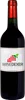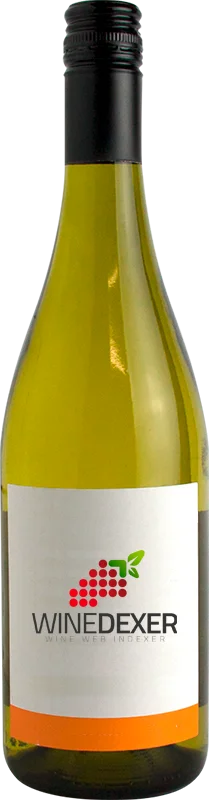
Midbar WineryWhite 55 Dry
 White wine



This wine is a blend of 2 varietals which are the Chenin blanc and the Viognier.
This wine generally goes well with fruity desserts, pork or poultry.
The White 55 Dry of the Midbar Winery is in the top 50 of wines of Negev.

Wine flavors and olphactive analysis


On the nose the White 55 Dry of Midbar Winery in the region of Negev often reveals types of flavors of tropical fruit.
Food and wine pairings with White 55 Dry
Pairings that work perfectly with White 55 Dry


Original food and wine pairings with White 55 Dry



The White 55 Dry of Midbar Winery matches generally quite well with dishes of pork, game (deer, venison) or shellfish such as recipes of endives with ham (improved), wild boar stew (without marinade or wine) or arroz de marisco.
Details and technical informations about Midbar Winery's White 55 Dry.
Discover the grape variety: Chenin blanc
Chameleon whites with taut acidity, ranging from mineral dry (Savennières, Vouvray sec) to off-dry and medium-sweet (Vouvray, Montlouis), sumptuous botrytised sweet (Quarts-de-Chaume, Bonnezeaux, Coteaux du Layon) and brilliant sparkling (Crémant de Loire, Vouvray brut). Aromas of quince, apple, honey, white flowers, beeswax and flint. An Anjou variety, also star of South Africa's Western Cape.
Last vintages of this wine
The best vintages of White 55 Dry from Midbar Winery are 2014, 0
Informations about the Midbar Winery
The Midbar Winery is one of of the world's great estates. It offers 36 wines for sale in the of Negev to come and discover on site or to buy online.

The wine region of Negev
Southern Israeli desert, among the hottest and driest vineyards in the world (>300 days of sun). Vines at altitude (up to 900 m), cool nights compensating. Syrah is the signature red king: dense with blackberry, black cherry, pepper, bacon, garrigue, firm tannins — fruit-forward typical. Cabernet (blackcurrant, eucalyptus), supple Merlot.
The word of the wine: Maturing (champagne)
After riddling, the bottles are stored on "point", upside down, with the neck of one bottle in the bottom of the other. The duration of this maturation is very important: in contact with the dead yeasts, the wine takes on subtle aromas and gains in roundness and fatness. A brut without year must remain at least 15 months in the cellar after bottling, a vintage 36 months.