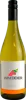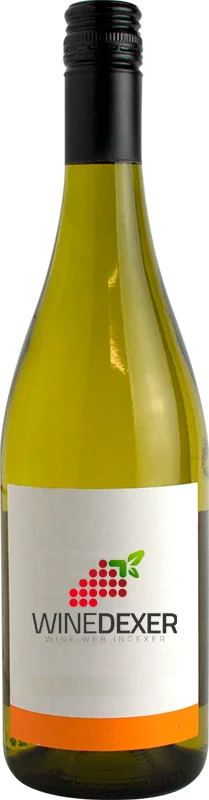
Winery Il LeccioBianco
 White wine


In the mouth this white wine is a powerful with a nice freshness.
This wine generally goes well with vegetarian, appetizers and snacks or lean fish.

Taste structure of the Bianco from the Winery Il Leccio
Light | Bold | |
Dry | Sweet | |
Soft | Acidic |
In the mouth the Bianco of Winery Il Leccio in the region of Tuscany is a powerful with a nice freshness.
Food and wine pairings with Bianco
Pairings that work perfectly with Bianco



Original food and wine pairings with Bianco


The Bianco of Winery Il Leccio matches generally quite well with dishes of pasta, vegetarian or appetizers and snacks such as recipes of pasta with lemon and comté cheese, zucchini quiche or rillettes of sardines.
Details and technical informations about Winery Il Leccio's Bianco.
Discover the grape variety: Cardinal
Primarily a table grape, occasionally vinified as light, fruity reds with a clear ruby colour, soft tannins and a supple palate, showing simple aromas of red fruits (strawberry, cherry), candy and sweet notes. Grown in California, Spain, Italy and the Maghreb for fresh consumption: long bunches, red-violet berries with thin skin and crisp flesh. American hybrid created in 1939 in California (Flame Tokay × Ribier).
Last vintages of this wine
The best vintages of Bianco from Winery Il Leccio are 0
Informations about the Winery Il Leccio
The Winery Il Leccio is one of of the world's greatest estates. It offers 7 wines for sale in the of Tuscany to come and discover on site or to buy online.

The wine region of Tuscany
Kingdom of Sangiovese: upright reds with cherry, plum, dried herbs and leather, lively acidity and firm tannins. Fleshy, food-friendly Chianti Classico DOCG, deep long-ageing Brunello di Montalcino (spice, tobacco, ripe black fruit), elegant Vino Nobile di Montepulciano. On the coast, Bolgheri crafts the opulent Cabernet- and Merlot-based 'Super Tuscans'. Some fresh white Vernaccia.
The word of the wine: Viscosity
Consistency of wine reminiscent of the tactile sensation of sugar syrup with varying degrees of fluidity, due to the alcohol and natural sugar in the grapes present in sweet wines. In excess, this sensation can make the wine pasty and heavy. To the eye, viscosity is referred to as tears.