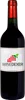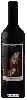
Winery Il Duca ImperialeCardinal Sweet Red
 Red wine



This wine generally goes well with
Wine flavors and olphactive analysis


On the nose the Cardinal Sweet Red of Winery Il Duca Imperiale in the region of California often reveals types of flavors of earth, oak or red fruit and sometimes also flavors of black fruit.
Details and technical informations about Winery Il Duca Imperiale's Cardinal Sweet Red.
Discover the grape variety: Courbu
Courbu is indigenous to the Pyrenean vineyards. This white grape variety is part of the Jurançon family. Three clones are recognized in this variety, which buds in the medium term, develops regularly and has satisfactory productivity. The way in which the shoots form is characteristic. Initially upright, they bend and curve, giving a parasol-like finish to the vine. A vigorous rootstock is recommended to see the Courbu develop and mature at a late age. The small clusters display quite distinctive features. Not necessarily winged, they are pignate and stocky, with a rounded or rather flattened shape. A light pink veil covers the most mature berries, but the original colour varies from yellow-green to golden white. Vinification enhances the juice of this variety. The bouquet becomes more refined with age under a pale yellow colour. Dry or sweet, this wine is always remarkably fine.
Last vintages of this wine
The best vintages of Cardinal Sweet Red from Winery Il Duca Imperiale are 1917, 2008, 0, 2017
Informations about the Winery Il Duca Imperiale
The Winery Il Duca Imperiale is one of of the world's greatest estates. It offers 8 wines for sale in the of California to come and discover on site or to buy online.

The wine region of California
California is the largest and most important wine region in the United States. It represents the southern two-thirds (850 miles or 1,370 kilometers) of the country's west coast. (Oregon and Washington make up the rest. ) The state also spans nearly 10 degrees of latitude.
The word of the wine: Malic (acid)
An acid that occurs naturally in many wines and is transformed into lactic acid during malolactic fermentation.