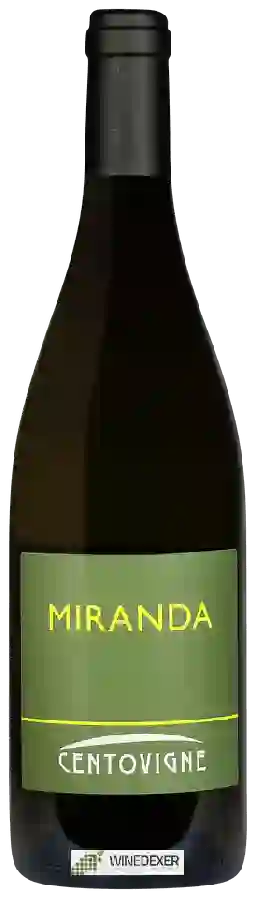
Winery CentovigneMiranda
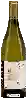
 White wine


In the mouth this white wine is a powerful with a nice freshness.
This wine generally goes well with lean fish, shellfish or mature and hard cheese.

Taste structure of the Miranda from the Winery Centovigne
Light | Bold | |
Dry | Sweet | |
Soft | Acidic |
In the mouth the Miranda of Winery Centovigne in the region of Piedmont is a powerful with a nice freshness.
Food and wine pairings with Miranda
Pairings that work perfectly with Miranda



Original food and wine pairings with Miranda


The Miranda of Winery Centovigne matches generally quite well with dishes of pasta, shellfish or mature and hard cheese such as recipes of wok of chinese noodles with vegetables, slivers of squid with tomato or gratin of giromon with bacon.
Details and technical informations about Winery Centovigne's Miranda.
Discover the grape variety: Portugais bleu
Supple, fruity reds to drink young, with a clear ruby colour, silky tannins and an airy palate with moderate acidity, featuring aromas of red fruits (cherry, raspberry) and light floral notes. Early-ripening and productive. Also used in the characteristic Austrian Schilcher rosés. The pillar of light, easy-drinking reds in Central Europe (Austria, Germany, Hungary, Czech Republic). French synonym for Blauer Portugieser.
Last vintages of this wine

The best vintages of Miranda from Winery Centovigne are 2017, 2016, 2015, 0
Informations about the Winery Centovigne
The Winery Centovigne is one of of the world's greatest estates. It offers 6 wines for sale in the of Piedmont to come and discover on site or to buy online.

The wine region of Piedmont
Kingdom of Nebbiolo: Barolo and Barbaresco DOCG, long-ageing reds with firm tannins and lively acidity, complex aromas of withered rose, sour cherry, tar, truffle and undergrowth. More accessible, tangy Barbera on red fruit, supple, crisp Dolcetto. Sweet, floral sparkling Moscato d'Asti, mineral, lemony Gavi (Cortese) white, round, almondy Arneis from Roero. 50,000 ha across the Langhe, Roero and Monferrato, UNESCO.
The word of the wine: Discharge
In the traditional method, elimination of the yeast deposit formed during the second fermentation in the bottle.