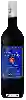
Winery IdeaIdea Roussillon
 Red wine



In the mouth this red wine is a powerful with a nice balance between acidity and tannins.
This wine generally goes well with beef, veal or pasta.

Taste structure of the Idea Roussillon from the Winery Idea
Light | Bold | |
Smooth | Tannic | |
Dry | Sweet | |
Soft | Acidic |
In the mouth the Idea Roussillon of Winery Idea in the region of Languedoc-Roussillon is a powerful with a nice balance between acidity and tannins.
Food and wine pairings with Idea Roussillon
Pairings that work perfectly with Idea Roussillon



Original food and wine pairings with Idea Roussillon
The Idea Roussillon of Winery Idea matches generally quite well with dishes of beef, pasta or veal such as recipes of beef tongue with vegetables, tuna lasagna or beef mironton.
Details and technical informations about Winery Idea's Idea Roussillon.
Discover the grape variety: Moscato Bianco
Charming, aromatic whites with a pale golden robe, a luscious and slightly sparkling palate, showing intense signature aromas of muscat, rose, sage, white flowers, fresh grape and exotic fruits. A festive, delicate profile with low alcohol. The undisputed star of Asti DOCG and Moscato d'Asti DOCG in Piedmont, the signature of Italy's great muscats. The Italian synonym for Muscat Blanc à Petits Grains, one of the oldest aromatic varieties cultivated in the world.
Last vintages of this wine
The best vintages of Idea Roussillon from Winery Idea are 2015
Informations about the Winery Idea
The Winery Idea is one of of the world's greatest estates. It offers 5 wines for sale in the of Languedoc-Roussillon to come and discover on site or to buy online.

The wine region of Languedoc-Roussillon
Largest single French vineyard, dominated by sunny, generous reds. Spicy Syrah, candied Grenache (ripe fruit, garrigue), structured Carignan, deep Mourvèdre, supple Cinsault. Stars: structured Corbières, Minervois, Faugères, Saint-Chinian; round Côtes-du-Roussillon. Legendary vins doux naturels: Banyuls and Maury (fortified Grenache) with notes of cocoa, fig, prune.
The word of the wine: Deposit
Solid particles that can naturally coat the bottom of a bottle of wine. It is rather a guarantee that the wine has not been mistreated: in fact, to avoid the natural deposit, rather violent processes of filtration or cold passage (- 7 or - 8 °C) are used in order to precipitate the tartar (the small white crystals that some people confuse with crystallized sugar: just taste to dissuade you from it)