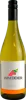
Winery Ich Bin EinWeisswein
 White wine



This wine is a blend of 2 varietals which are the Müller-Thurgau and the Riesling.
This wine generally goes well with pork, vegetarian or poultry.

Wine flavors and olphactive analysis

On the nose the Weisswein of Winery Ich Bin Ein in the region of Rheinhessen often reveals types of flavors of microbio, tree fruit or citrus fruit and sometimes also flavors of tropical fruit.
Food and wine pairings with Weisswein
Pairings that work perfectly with Weisswein



Original food and wine pairings with Weisswein



The Weisswein of Winery Ich Bin Ein matches generally quite well with dishes of pork, rich fish (salmon, tuna etc) or shellfish such as recipes of stuffed artichoke, marmite dieppoise or cassolettes of scallops.
Details and technical informations about Winery Ich Bin Ein's Weisswein.
Discover the grape variety: Müller-Thurgau
Light, aromatic whites with a tender palate and moderate acidity, with muscat-like aromas of white flowers, apple, citrus, peach and honeyed notes. Made as easy dry whites, popular semi-dry wines and some sparkling cuvées. Widely planted in Germany (Rheinhessen, Baden), northern Italy (Alto Adige, Trentino), Austria, Switzerland, Hungary and Japan. Cross of riesling × madeleine royale created in 1882 by Hermann Müller in Geisenheim.
Last vintages of this wine
The best vintages of Weisswein from Winery Ich Bin Ein are 2018, 0
Informations about the Winery Ich Bin Ein
The Winery Ich Bin Ein is one of of the world's greatest estates. It offers 3 wines for sale in the of Rheinhessen to come and discover on site or to buy online.

The wine region of Rheinhessen
71% white region: Riesling is king (5,000 ha), dry to off-dry, ripe yellow fruit, apple, citrus and fine saline minerality. Supple, floral Müller-Thurgau for everyday, the world's largest Silvaner plantation with herbaceous, straight notes. Historic cradle of off-sweet Liebfraumilch. Some supple reds (Dornfelder, Spätburgunder).
The word of the wine: Bordeaux futures
Bordeaux wines are expected 2 to 3 years before bottling. In the spring following the harvest, the wines are offered by the châteaux to the Bordeaux wine merchants via the brokers.