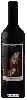
Winery HoytDylema
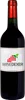
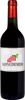
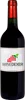
 Red wine



In the mouth this red wine is a powerful with a nice balance between acidity and tannins.
This wine generally goes well with poultry, beef or veal.
Taste structure of the Dylema from the Winery Hoyt
Light | Bold | |
Smooth | Tannic | |
Dry | Sweet | |
Soft | Acidic |
In the mouth the Dylema of Winery Hoyt in the region of California is a powerful with a nice balance between acidity and tannins.
Food and wine pairings with Dylema
Pairings that work perfectly with Dylema



Original food and wine pairings with Dylema

The Dylema of Winery Hoyt matches generally quite well with dishes of beef, lamb or veal such as recipes of beef tongue in hot sauce, lamb mouse with figs and grapes or sauté of veal with tomato.
Details and technical informations about Winery Hoyt's Dylema.
Discover the grape variety: Epinou
A very old wine grape variety from the Auvergne vineyards. Today, it is practically no longer multiplied.
Last vintages of this wine
The best vintages of Dylema from Winery Hoyt are 0
Informations about the Winery Hoyt
The Winery Hoyt is one of of the world's greatest estates. It offers 9 wines for sale in the of California to come and discover on site or to buy online.

The wine region of California
California is the largest and most important wine region in the United States. It represents the southern two-thirds (850 miles or 1,370 kilometers) of the country's west coast. (Oregon and Washington make up the rest. ) The state also spans nearly 10 degrees of latitude.
The word of the wine: Feedback
Perception of the aromas in the mouth by the retro-nasal way.