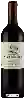
Winery Horeau BeylotChâteau Vray Petit Figeac Saint-Émilion
 Red wine
This wine generally goes well with poultry, beef or game (deer, venison).
Food and wine pairings with Château Vray Petit Figeac Saint-Émilion
Pairings that work perfectly with Château Vray Petit Figeac Saint-Émilion



Original food and wine pairings with Château Vray Petit Figeac Saint-Émilion

The Château Vray Petit Figeac Saint-Émilion of Winery Horeau Beylot matches generally quite well with dishes of beef, lamb or game (deer, venison) such as recipes of beef tagliata with truffle oil, moussaka with spices or duck breast with red fruits.
Details and technical informations about Winery Horeau Beylot's Château Vray Petit Figeac Saint-Émilion.
Discover the grape variety: Pardotte
An old Bordeaux grape variety, now in danger of extinction, once cultivated in the Gironde marshes, but registered in the Official Catalogue of Wine Grape Varieties, list A1.
Informations about the Winery Horeau Beylot
The Winery Horeau Beylot is one of of the world's greatest estates. It offers 40 wines for sale in the of Saint-Émilion to come and discover on site or to buy online.

The wine region of Saint-Émilion
The wine region of Saint-Émilion is located in the region of Libournais of Bordeaux of France. Wineries and vineyards like the Domaine Baron Philippe de Rothschild or the Château Le Chatelet produce mainly wines red and white. The most planted grape varieties in the region of Saint-Émilion are Merlot, Cabernet franc and Cabernet-Sauvignon, they are then used in wines in blends or as a single variety. On the nose of Saint-Émilion often reveals types of flavors of black fruits, savory or cocoa and sometimes also flavors of bramble, raisin or sour cherry.
The wine region of Bordeaux
Bordeaux, in southwestern France, is one of the most famous, prestigious and prolific wine regions in the world. The majority of Bordeaux wines (nearly 90% of the production Volume) are the Dry, medium and Full-bodied red Bordeaux blends for which it is famous. The finest (and most expensive) are the wines of the great châteaux of Haut-Médoc and the right bank appellations of Saint-Émilion and Pomerol. The former focuses (at the highest level) on Cabernet Sauvignon, the latter on Merlot.
The word of the wine: Bordeaux barrel
Barrels of 220 to 225 litres. The toasting of the barrel to bend the staves (curved boards used to make the barrels) can vary according to the coopers and the demand. A gentle and slow toasting has little effect on the aromas. On the other hand, a strong toasting gives aromas of coffee or cocoa which will influence the taste of the wine. A wine barrel has already been aged for a year and has less impact on the wine than a new barrel.