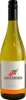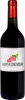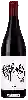
Winery HolassBalf
 Red wine


This wine generally goes well with
The Balf of the Winery Holass is in the top 90 of wines of Hungary and in the top 50 of wines of Sopron.
Wine flavors and olphactive analysis


On the nose the Balf of Winery Holass in the region of Sopron often reveals types of flavors of earth.
Details and technical informations about Winery Holass's Balf.
Discover the grape variety: Voltis
Wine grape variety of the INRA-Resdur1 series with polygenic resistance (two genes for mildew and powdery mildew have been identified), resulting from an interspecific cross, obtained in 2002, between Villaris and Mtp 3159-2-12 (for the latter, one of its parents is Vitis rotundifolia, which is resistant to Pierce's disease, mildew, grey rot, etc.). Little multiplied, it is registered in the Official Catalogue of wine grape varieties list A1.
Last vintages of this wine
The best vintages of Balf from Winery Holass are 2017, 0
Informations about the Winery Holass
The Winery Holass is one of of the world's greatest estates. It offers 9 wines for sale in the of Sopron to come and discover on site or to buy online.

The wine region of Sopron
The wine region of Sopron of Hungary. Wineries and vineyards like the Domaine Weninger or the Domaine Weninger produce mainly wines red, white and pink. The most planted grape varieties in the region of Sopron are Merlot, Zweigelt and Cabernet-Sauvignon, they are then used in wines in blends or as a single variety. On the nose of Sopron often reveals types of flavors of cherry, smoke or oak and sometimes also flavors of tree fruit, spices or citrus fruit.
The word of the wine: Claret
Name given by the English to the red wine of Bordeaux.