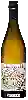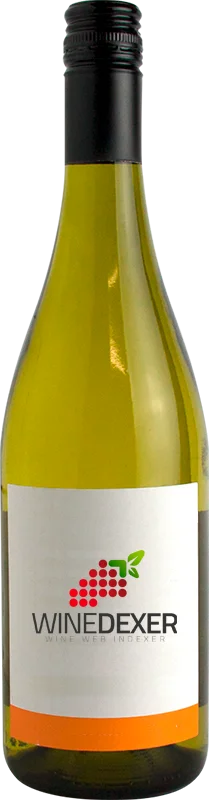
Winery Martin BangerthHerrenpfad Weisser Burgunder
 White wine
In the mouth this white wine is a with a nice freshness.
This wine generally goes well with rich fish (salmon, tuna etc), shellfish or mild and soft cheese.
Taste structure of the Herrenpfad Weisser Burgunder from the Winery Martin Bangerth
Light | Bold | |
Dry | Sweet | |
Soft | Acidic |
In the mouth the Herrenpfad Weisser Burgunder of Winery Martin Bangerth in the region of Pfalz is a with a nice freshness.
Food and wine pairings with Herrenpfad Weisser Burgunder
Pairings that work perfectly with Herrenpfad Weisser Burgunder


Original food and wine pairings with Herrenpfad Weisser Burgunder

The Herrenpfad Weisser Burgunder of Winery Martin Bangerth matches generally quite well with dishes of rich fish (salmon, tuna etc), shellfish or mild and soft cheese such as recipes of baked sea bream, zarzuela mayonapo or pasta with scamorza and pancetta cheese.
Details and technical informations about Winery Martin Bangerth's Herrenpfad Weisser Burgunder.
Discover the grape variety: Lignage
Noble grape variety, formerly known in Loir et Cher, more precisely on the right bank of the Loire Valley between Blois and Tours. It is completely unknown in other French wine regions and abroad. Absent today from the Loire vineyards, its reintroduction, even if limited, should not be long in coming.
Informations about the Winery Martin Bangerth
The Winery Martin Bangerth is one of of the world's great estates. It offers 26 wines for sale in the of Pfalz to come and discover on site or to buy online.

The wine region of Pfalz
Pfalz is a key wine producing region in western Germany, located between the Rhein/Rhine river and the low-lying Haardt mountain range (a natural continuation of the Alsatian Vosges). It covers a rectangle of land 45 miles (75km) Long and 15 miles (25km) wide. To the NorthLiesRheinhessen; to the South, the French border and Alsace. In terms of both quality and quantity, Pfalz is one of Germany's most important regions, and one which shows great promise for the future.
The word of the wine: Table wine
A category of wine with no geographical indication on the label, often resulting from blends between wines from different vineyards in France or the EU. These wines are now called "wines without geographical indication" (and "French wines" if they come from the national territory).