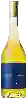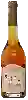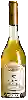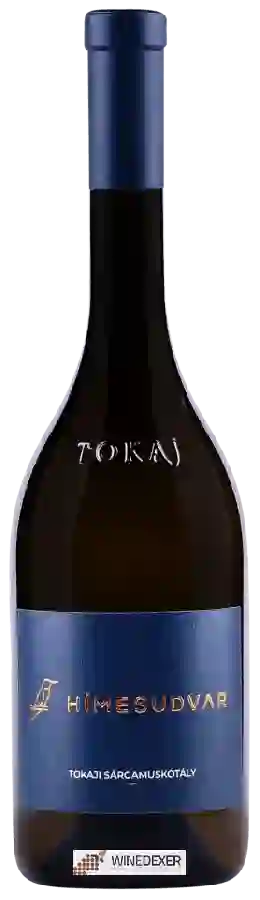
Winery HimesudvarToakji Sárgamuskotály
 Sweet wine


This wine generally goes well with spicy food and sweet desserts.

Wine flavors and olphactive analysis



On the nose the Toakji Sárgamuskotály of Winery Himesudvar in the region of Tokaj often reveals types of flavors of earth, tree fruit or citrus fruit.
Food and wine pairings with Toakji Sárgamuskotály
Pairings that work perfectly with Toakji Sárgamuskotály


Original food and wine pairings with Toakji Sárgamuskotály
The Toakji Sárgamuskotály of Winery Himesudvar matches generally quite well with dishes of spicy food or sweet desserts such as recipes of rougail sausage or rice with milk.
Details and technical informations about Winery Himesudvar's Toakji Sárgamuskotály.
Discover the grape variety: Bouteillan
Simple, fresh, low-aromatic whites with a pale golden robe, a supple palate with moderate acidity, and discreet aromas of citrus and white flowers. A discreet rustic Provençal profile. Almost absent from commercial cultivation, preserved in INRAE ampelographic collections for its heritage value, it testifies to the pre-phylloxera ampelographic diversity of the Provençal vineyard. An indigenous Provençal white grape, once grown in Provence and the South-East.
Last vintages of this wine

The best vintages of Toakji Sárgamuskotály from Winery Himesudvar are 2016, 0, 2018, 2017 and 2015.
Informations about the Winery Himesudvar
The Winery Himesudvar is one of of the world's greatest estates. It offers 12 wines for sale in the of Tokaj to come and discover on site or to buy online.

The wine region of Tokaj
Cradle of the legendary Tokaji Aszú, "king of wines" per Louis XIV. Noble sweet wines based on Furmint (lively acidity prone to botrytis) and floral Hárslevelű ("linden leaf"): amber robe, signature aromas of honey, candied apricot, quince, orange peel, saffron, sustained sugar balanced by tense acidity. Measured in "puttonyos" (3 to 6) with Aszú Eszencia at the top. Also dry Furmint on the rise, straight and mineral.
The word of the wine: Alcohol
A generic term for the various alcohols produced during fermentation that give the wine body, structure and warmth.