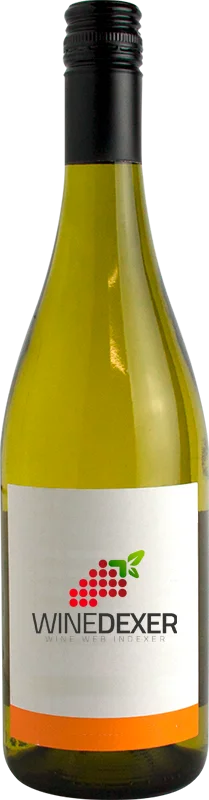
Winery HeuchelbergWeissburgunder
 White wine
In the mouth this white wine is a with a nice freshness.
This wine generally goes well with rich fish (salmon, tuna etc), shellfish or mild and soft cheese.

Taste structure of the Weissburgunder from the Winery Heuchelberg
Light | Bold | |
Dry | Sweet | |
Soft | Acidic |
In the mouth the Weissburgunder of Winery Heuchelberg in the region of Württemberg is a with a nice freshness.
Food and wine pairings with Weissburgunder
Pairings that work perfectly with Weissburgunder



Original food and wine pairings with Weissburgunder

The Weissburgunder of Winery Heuchelberg matches generally quite well with dishes of rich fish (salmon, tuna etc), shellfish or mild and soft cheese such as recipes of mexican salad with spicy dressing, waterzooï of the sea or cauliflower dough for mozzarella pizza.
Details and technical informations about Winery Heuchelberg's Weissburgunder.
Discover the grape variety: Dakapo
Deeply coloured, supple reds with an intense, almost opaque purple colour, soft tannins and an ample palate, with signature aromas of black fruits (blackcurrant, blackberry), gentle spices and inky notes. Accessible teinturier profile. Used in blending to boost colour in light reds; grown on small areas in Germany, Switzerland and Belgium. German hybrid teinturier variety bred in 1958 (Deckrot × Portugieser).
Informations about the Winery Heuchelberg
The Winery Heuchelberg is one of of the world's great estates. It offers 86 wines for sale in the of Württemberg to come and discover on site or to buy online.

The wine region of Württemberg
Rare predominantly red region in Germany (nearly 70%). Supple, fruity everyday reds: light, crisp Trollinger (Schiava) with red fruits, more structured, spicy, deep Lemberger (Blaufränkisch), generous Schwarzriesling (Pinot Meunier). Riesling king of whites (>2,000 ha), lively and mineral, citrus and green apple. Germany's 4th region (11,500 ha) on the Neckar slopes around Heilbronn and Stuttgart.
The word of the wine: Rough
Wine without finesse with rough tannins.