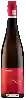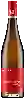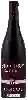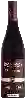
Winery DorflingerMüllheimer Reggenhag Spätburgunder Spätlese Trocken
 Red wine



This wine generally goes well with vegetarian

Food and wine pairings with Müllheimer Reggenhag Spätburgunder Spätlese Trocken
Pairings that work perfectly with Müllheimer Reggenhag Spätburgunder Spätlese Trocken

Original food and wine pairings with Müllheimer Reggenhag Spätburgunder Spätlese Trocken
The Müllheimer Reggenhag Spätburgunder Spätlese Trocken of Winery Dorflinger matches generally quite well with dishes of vegetarian such as recipes of summer tuna quiche.
Details and technical informations about Winery Dorflinger's Müllheimer Reggenhag Spätburgunder Spätlese Trocken.
Discover the grape variety: Cabernet-Cubin
Intensely coloured and structured reds with an inky, near-black robe, firm tannins and a dense mouthfeel, with aromas of blackcurrant, blackberry, black cherry, plum, spices, black pepper and balsamic notes reminiscent of Cabernet Sauvignon. Grown mainly in Germany (Württemberg, Palatinate) for modern dry reds and tannic blends. A German hybrid created in 1970 at Weinsberg (Blaufränkisch × Cabernet Sauvignon), valued for its resistance and structure.
Last vintages of this wine
The best vintages of Müllheimer Reggenhag Spätburgunder Spätlese Trocken from Winery Dorflinger are 0
Informations about the Winery Dorflinger
The Winery Dorflinger is one of of the world's greatest estates. It offers 37 wines for sale in the of Baden to come and discover on site or to buy online.

The wine region of Baden
German capital of Pinot Noir (Spätburgunder): silky, fine reds with notes of red fruits, cherry, undergrowth and sweet spices, melted tannins. Round Grauburgunder (Pinot Gris), lively Weissburgunder, supple Müller-Thurgau, mineral Riesling. Germany's 3rd region (15,000 ha) in Baden-Württemberg facing Alsace, one of the country's warmest climates, volcanic soils at the Kaiserstuhl. Cradle of modern great German reds, elegant and fine.
The word of the wine: Grape variety
A type of vine plant and, by extension, the term used to designate the grapes that come from it. The term "table grape" is used to designate the grapes used for consumption, whereas the term "grape variety" is used to designate the wine grapes used to make wine.