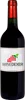
Winery Heribert BayerBabeross Hochberg Reserve
 Red wine


In the mouth this red wine is a powerful with a nice balance between acidity and tannins.
This wine generally goes well with poultry, beef or pasta.

Taste structure of the Babeross Hochberg Reserve from the Winery Heribert Bayer
Light | Bold | |
Smooth | Tannic | |
Dry | Sweet | |
Soft | Acidic |
In the mouth the Babeross Hochberg Reserve of Winery Heribert Bayer in the region of Weinland is a powerful with a nice balance between acidity and tannins.
Food and wine pairings with Babeross Hochberg Reserve
Pairings that work perfectly with Babeross Hochberg Reserve



Original food and wine pairings with Babeross Hochberg Reserve
The Babeross Hochberg Reserve of Winery Heribert Bayer matches generally quite well with dishes of beef, pasta or poultry such as recipes of thai beef skewers, pasta salmon - fresh cream or nachos (chicken).
Details and technical informations about Winery Heribert Bayer's Babeross Hochberg Reserve.
Discover the grape variety: Saint-Côme
Simple, lightly aromatic fresh whites with a pale golden robe, supple palate with moderate acidity, showing discrete citrus and white flower aromas. Discreet rustic South-West profile. Very rare, preserved for its heritage value, it survives in a few South-West heritage plots. White French autochtone variety from the South-West, considered identical to Bouysselet by some analyses.
Last vintages of this wine
The best vintages of Babeross Hochberg Reserve from Winery Heribert Bayer are 2004, 2006, 0
Informations about the Winery Heribert Bayer
The Winery Heribert Bayer is one of of the world's greatest estates. It offers 21 wines for sale in the of Mittelburgenland to come and discover on site or to buy online.

The wine region of Mittelburgenland
Austrian region of 'Blaufränkischland' south of Lake Neusiedl (Burgenland): Blaufränkisch signature exclusive king red (DAC 2005) — deep purple robe with signature notes of black cherry, wild blackberry, raspberry, spice, tobacco, leather and peppery touch, firm tannins, vivid acidity and fleshy finish, velvety reserves with integrated oak. Heavy clay-loam soils, hot dry Pannonian continental climate (300 sunny days), 2,100 ha protected by three massifs.
The wine region of Weinland
Vast German-speaking region in north-eastern Switzerland, the country's largest production area. Signature Pinot Noir (Blauburgunder): fine, fresh reds with notes of cherry, raspberry, undergrowth and sweet spices, silky tannins. Elegant, delicate style, often barrel-aged. Also light, floral Müller-Thurgau (Riesling-Sylvaner), lively, lemony native Räuschling, ample Pinot Gris.
The word of the wine: Roast
Specific character given by noble rot to sweet wines, which results in a candied taste and aroma.