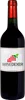
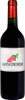
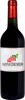
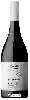
Winery Herdade da FigueirinhaSyrah
 Red wine


In the mouth this red wine is a powerful with a nice balance between acidity and tannins.
This wine generally goes well with poultry, beef or veal.
Taste structure of the Syrah from the Winery Herdade da Figueirinha
Light | Bold | |
Smooth | Tannic | |
Dry | Sweet | |
Soft | Acidic |
In the mouth the Syrah of Winery Herdade da Figueirinha in the region of Alentejano is a powerful with a nice balance between acidity and tannins.
Food and wine pairings with Syrah
Pairings that work perfectly with Syrah



Original food and wine pairings with Syrah

The Syrah of Winery Herdade da Figueirinha matches generally quite well with dishes of beef, lamb or veal such as recipes of spaghetti squash bolognese style, lamb tagine with honey and dried fruits or beef bourguignon with cookéo.
Details and technical informations about Winery Herdade da Figueirinha's Syrah.
Discover the grape variety: Aurore
Interspecific cross between 788 Seibel x 29 Seibel - like 4638 white Seibel - obtained by Albert Seibel (1844-1936).
Last vintages of this wine

The best vintages of Syrah from Winery Herdade da Figueirinha are 2015, 2014, 2006, 2013 and 2011.
Informations about the Winery Herdade da Figueirinha
The Winery Herdade da Figueirinha is one of of the world's greatest estates. It offers 14 wines for sale in the of Alentejano to come and discover on site or to buy online.

The wine region of Alentejano
Tejo">Alentejo is a well-known, highly respected wine region in eastern Portugal. This hot, Dry area covers approximately a third of the country and is best known for its red wine, the best of which are sold under the and Alentejo DOC (Denominacao de Origem Controlada) title. Wine from Alentejo is typically made from Aragonez (Tempranillo), Castelao, Trincadeira or a Rich, ripe, jammy blend of the three. Antao Vaz is the white variety of choice here, producing a good level of Acidity and tropical fruit flavors.
The word of the wine: Reassembly
During the vinification process, a "cap" is formed at the top of the vats with the solid parts (skin, pulp, pips, etc.), which contain tannins and colouring elements. Pumping over consists of emptying the vat from the bottom and pouring the juice back to the top, in order to mix the cap and the juice and to favour the exchange and the extraction. This old technique allows a better exchange between the solid parts and the liquid.