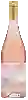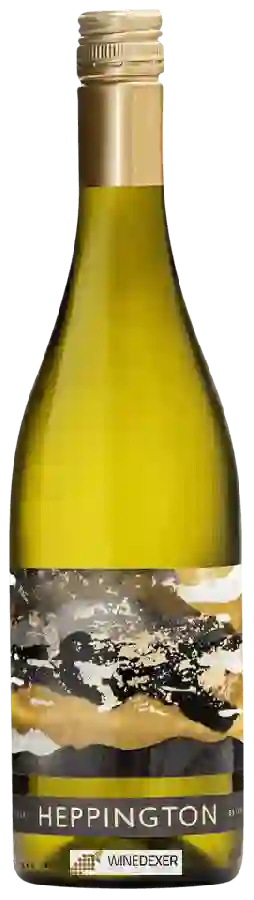
Winery HeppingtonChardonnay
 wine
wine
This wine generally goes well with
The Chardonnay of the Winery Heppington is in the top 0 of wines of Kent.

Details and technical informations about Winery Heppington's Chardonnay.
Discover the grape variety: Malvasia Fina
Structured, aromatic dry whites with a pale golden robe, an ample palate and moderate acidity, showing signature aromas of yellow fruits (pear, peach, apricot), white flowers (acacia), almond and schist mineral notes. Fine ageing potential. A traditional component of Douro DOC and Dão DOC whites and white Port. A Portuguese variety of the Malvasia family, widely grown in north-eastern Portugal.
Last vintages of this wine



The best vintages of Chardonnay from Winery Heppington are 0
Informations about the Winery Heppington
The Winery Heppington is one of of the world's greatest estates. It offers 3 wines for sale in the of Kent to come and discover on site or to buy online.

The wine region of Kent
Southeastern English county, ~25% of the British vineyard, chalky North Downs soils comparable to Champagne, temperate maritime climate. Signature metodo classico sparklers: Chardonnay-Pinot Noir-Pinot Meunier blend with fine bubbles, pale robe, notes of green apple, citrus, brioche, hazelnut and chalky touch, lively palate — modern English reference. Bacchus as taut floral white (grapefruit, elderflower, boxwood). Chapel Down, Gusbourne flagships.
The wine region of England
Quality renaissance of English wine, signature in traditional-method sparklers. On chalk soils identical to Champagne's (South-East), fine, taut bubbles with signature notes of green apple, lemon, white flowers, brioche and chalk, the vivid acidity of a cool climate. Based on Chardonnay, Pinot Noir and Meunier. Still wines a minority: aromatic Bacchus (elderflower, cut grass — the English identity), fresh Pinot Noir.
The word of the wine: Ploussard
See poulsard.