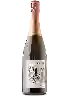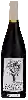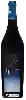
Domaine Henri MilanMa Terre Rouge
 Red wine


This wine generally goes well with beef and mature and hard cheese.

Wine flavors and olphactive analysis

Food and wine pairings with Ma Terre Rouge
Pairings that work perfectly with Ma Terre Rouge


Original food and wine pairings with Ma Terre Rouge
The Ma Terre Rouge of Domaine Henri Milan matches generally quite well with dishes of beef or mature and hard cheese such as recipes of quick beef bourguignon or ground steak in a seed coat.
Details and technical informations about Domaine Henri Milan's Ma Terre Rouge.
Discover the grape variety: Negrara Trentino
Light, fruity reds with a clear ruby colour, soft tannins and aromas of red fruits (cherry, raspberry), delicate alpine spices and fresh floral notes. An airy mountain profile best enjoyed young. Preserved for its heritage value, it contributes to artisanal cuvées in Trentino among the rare indigenous varieties of northern Italy.
Informations about the Domaine Henri Milan
The Domaine Henri Milan is one of of the world's great estates. It offers 31 wines for sale in the of Vin de Pays to come and discover on site or to buy online.

The wine region of Vin de Pays
Intermediate category between AOC and Vin de France (renamed IGP in 2009), 27% of national volume. Accessible, expressive wines defined by their grape: opulent Chardonnay, lively Sauvignon, round Merlot, peppery Syrah, floral Viognier with apricot. 76 IGP in France at 3 scales: regional (Pays d'Oc, Méditerranée, Val de Loire), departmental or local. Flexible rules, wide range of permitted grapes, free grape and vintage labelling.
The wine region of Pays d'Oc
The single-grape IGP par excellence: modern, accessible, frank and fruity wines, the popular signature of the Midi. Spicy Syrah reds (pepper, blackberry), round Merlot, structured Cabernet, generous Grenache, supple Cinsault. Crisp, tangy rosés. Opulent Chardonnay whites, lively Sauvignon, floral, apricoty Viognier.
The word of the wine: Malolactic fermentation
Called second fermentation or malo for short. It is the degradation (under the effect of bacteria) of the malic acid naturally present in the wine into milder, less aggressive lactic acid. Some producers or wineries refuse this operation by "blocking the malo" (by cold and adding SO2) to keep a maximum of acidity which carries the aromas and accentuates the sensation of freshness.