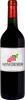
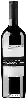
Winery Heinrich Mayr (Nusserhof)Tyroldego Rosso
 Red wine



This wine generally goes well with

Wine flavors and olphactive analysis



On the nose the Tyroldego Rosso of Winery Heinrich Mayr (Nusserhof) in the region of Vino da Tavola often reveals types of flavors of earth, oak or spices and sometimes also flavors of red fruit, black fruit.
Details and technical informations about Winery Heinrich Mayr (Nusserhof)'s Tyroldego Rosso.
Discover the grape variety: Teroldego
Powerful and intensely coloured reds with an almost black inky colour, firm tannins and precise acidity, on aromas of blackberry, black plum, black cherry, violet, spices, liquorice and balsamic notes. Fine ageing potential. The near-exclusive star of Teroldego Rotaliano DOC on the alluvial plain of Campo Rotaliano in northern Trentino, also made as taut rosés. Native variety of Trentino, a genetic parent of Syrah and related to Lagrein.
Last vintages of this wine
The best vintages of Tyroldego Rosso from Winery Heinrich Mayr (Nusserhof) are 0, 2014, 2013, 2008
Informations about the Winery Heinrich Mayr (Nusserhof)
The Winery Heinrich Mayr (Nusserhof) is one of of the world's greatest estates. It offers 7 wines for sale in the of Vino da Tavola to come and discover on site or to buy online.

The wine region of Vino da Tavola
The freest category of Italian wine, with no grape or zone constraint. All styles: bold reds based on Bordeaux grapes (Cabernet, Merlot), atypical blends, maker's cuvées outside DOC rules. Historic cradle of the "Super Tuscans" in the 1960s-80s (Sassicaia, Tignanello, Ornellaia) before the creation of IGT in 1992. Today dedicated to everyday wines or winemaker experiments.
The word of the wine: Grape
Fruit of the vine in the form of bunches of grapes, also called berries, attached to the stalk. The grapes used to make wine are known as grape varieties, a generic word that designates many types of vine plant with their own characteristics.