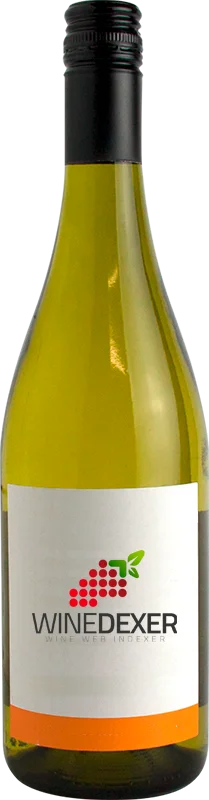
Winery HatziemmanouilΛευκός (White)
 White wine


This wine generally goes well with
The Λευκός (White) of the Winery Hatziemmanouil is in the top 5 of wines of Kos.

Wine flavors and olphactive analysis

On the nose the Λευκός (White) of Winery Hatziemmanouil in the region of Aegean Sea often reveals types of flavors of tree fruit, citrus fruit.
Details and technical informations about Winery Hatziemmanouil's Λευκός (White).
Discover the grape variety: Assyrtiko
Taut and mineral whites with exceptional cutting acidity and a lean palate, on intense aromas of lemon, grapefruit, green apple, white flowers, smoke and strongly marked volcanic saline-iodine notes. Fine ageing potential. The absolute star of Santorini PDO on the volcanic soils of the Cyclades (vines trained in kouloura baskets to protect against wind). Now exported to Australia, California and South Africa. Native Greek variety.
Last vintages of this wine

The best vintages of Λευκός (White) from Winery Hatziemmanouil are 2018, 2017, 2016, 0 and 2019.
Informations about the Winery Hatziemmanouil
The Winery Hatziemmanouil is one of of the world's greatest estates. It offers 9 wines for sale in the of Kos to come and discover on site or to buy online.

The wine region of Kos
PGI from the Dodecanese island in the southern Aegean (Kos district, vineyards above 20 m on the calcareous draining north slopes of Mount Dikeos, sunny island climate, PGI 2008, viticultural renaissance since 1990). Malagousia, Athiri and Assyrtiko are the native flagship whites — aromatic white flowers, tropical fruit and a marine saline tension. Cabernet, Cinsault, Grenache, Mourvèdre, Merlot and Syrah as fruity Mediterranean reds; Hippocratic tradition.
The wine region of Aegean Sea
West Turkish coastal region (Izmir, Manisa, Denizli, Aydin), ~53% of national production, sunny Mediterranean climate. Sultaniye: light and fresh with citrus, apple, melon. Bornova Misketi: aromatic and floral (rose, honey). Reds: Cabernet Sauvignon and Syrah dense and sunny (blackcurrant, blackberry, pepper, garrigue, firm tannins) — international varieties that ripen perfectly here.
The word of the wine: Second fermentation
In the making of champagne, fermentation of the base wine to which is added the liqueur de tirage and which takes place in the bottle. This second fermentation produces the carbon dioxide, and therefore the bubbles that make up the effervescence of the wine.