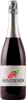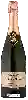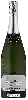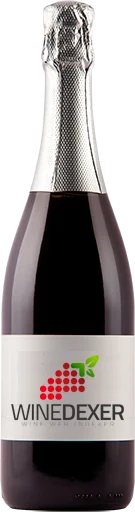
Winery Harrow & HopeBlanc de Noirs
 Sparkling wine


In the mouth this sparkling wine is a powerful with a nice vivacity and a fine and pleasant bubble.
This wine generally goes well with appetizers and snacks, lean fish or shellfish.

Taste structure of the Blanc de Noirs from the Winery Harrow & Hope
Light | Bold | |
Soft | Acidic | |
Gentle | Fizzy |
In the mouth the Blanc de Noirs of Winery Harrow & Hope in the region of England is a powerful with a nice vivacity and a fine and pleasant bubble.
Wine flavors and olphactive analysis




On the nose the Blanc de Noirs of Winery Harrow & Hope in the region of England often reveals types of flavors of non oak, earth or microbio and sometimes also flavors of oak, tree fruit or citrus fruit.
Food and wine pairings with Blanc de Noirs
Pairings that work perfectly with Blanc de Noirs



Original food and wine pairings with Blanc de Noirs

The Blanc de Noirs of Winery Harrow & Hope matches generally quite well with dishes of shellfish, appetizers and snacks or lean fish such as recipes of paella de marisco (seafood paella), lupine seeds for kemia (the aperitif) or beef tartar with thai flavors.
Details and technical informations about Winery Harrow & Hope's Blanc de Noirs.
Discover the grape variety: Prunelar
Fruity and fresh reds for early drinking, ruby colour, soft tannins and light mouth with fresh acidity, with signature aromas of red fruits (cherry, sloe), sweet spices and floral notes. Patrimonial South-West profile. Preserved in a few heritage plots and varietal collections, studied as a witness of pre-phylloxera South-West ampelography. Rare autochthonous French black grape from Tarn and Quercy.
Last vintages of this wine

The best vintages of Blanc de Noirs from Winery Harrow & Hope are 2015, 0, 2013
Informations about the Winery Harrow & Hope
The Winery Harrow & Hope is one of of the world's greatest estates. It offers 4 wines for sale in the of England to come and discover on site or to buy online.

The wine region of England
Quality renaissance of English wine, signature in traditional-method sparklers. On chalk soils identical to Champagne's (South-East), fine, taut bubbles with signature notes of green apple, lemon, white flowers, brioche and chalk, the vivid acidity of a cool climate. Based on Chardonnay, Pinot Noir and Meunier. Still wines a minority: aromatic Bacchus (elderflower, cut grass — the English identity), fresh Pinot Noir.
The word of the wine: Heart-to-heart
Small stem from a quick bud that is removed during thinning.