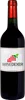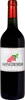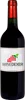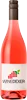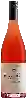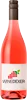
Winery HappsFuchsia
 Pink wine



This wine is a blend of 2 varietals which are the Cabernet-Sauvignon and the Merlot.
This wine generally goes well with poultry, beef or game (deer, venison).

Wine flavors and olphactive analysis


On the nose the Fuchsia of Winery Happs in the region of Australie de l'Ouest often reveals types of flavors of earth, tree fruit or red fruit.
Food and wine pairings with Fuchsia
Pairings that work perfectly with Fuchsia



Original food and wine pairings with Fuchsia



The Fuchsia of Winery Happs matches generally quite well with dishes of beef, lamb or game (deer, venison) such as recipes of veal shank with mushrooms, imene's tunisian ojja or rabbit in white wine (casserole).
Details and technical informations about Winery Happs's Fuchsia.
Discover the grape variety: Cabernet-Sauvignon
Structured, tannic reds, deeply coloured, with aromas of blackcurrant, blackberry, cedar, tobacco and graphite, underpinned by firm acidity and fine ageing potential. Cornerstone of the great Médoc estates (Pauillac, Saint-Estèphe, Saint-Julien) and signature of Napa Valley, Coonawarra and Maipo. The world's most planted red variety, a natural cross of Cabernet Franc x Sauvignon Blanc born in Bordeaux.
Last vintages of this wine
The best vintages of Fuchsia from Winery Happs are 2015, 2013, 0, 2018 and 2017.
Informations about the Winery Happs
The Winery Happs is one of of the world's greatest estates. It offers 54 wines for sale in the of Australie de l'Ouest to come and discover on site or to buy online.

The wine region of Australie de l'Ouest
Australian premium on Margaret River. Signature Bordeaux Cabernet-Merlot blends in red: deep and refined with notes of ripe blackcurrant, eucalyptus, cedar and graphite, firm tannins and great ageing, often compared to Médoc. Chardonnay rated Australia's best: taut, saline and mineral (lemon, hazelnut, brioche). Lively Sauvignon-Sémillon (citrus, cut grass).
The word of the wine: Deposit
Solid particles that can naturally coat the bottom of a bottle of wine. It is rather a guarantee that the wine has not been mistreated: in fact, to avoid the natural deposit, rather violent processes of filtration or cold passage (- 7 or - 8 °C) are used in order to precipitate the tartar (the small white crystals that some people confuse with crystallized sugar: just taste to dissuade you from it)