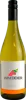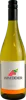
Winery H. SchlumbergerSauvignon Blanc Trocken
 White wine


In the mouth this white wine is a with a nice freshness.
This wine generally goes well with vegetarian, shellfish or goat cheese.

Taste structure of the Sauvignon Blanc Trocken from the Winery H. Schlumberger
Light | Bold | |
Dry | Sweet | |
Soft | Acidic |
In the mouth the Sauvignon Blanc Trocken of Winery H. Schlumberger in the region of Baden is a with a nice freshness.
Food and wine pairings with Sauvignon Blanc Trocken
Pairings that work perfectly with Sauvignon Blanc Trocken



Original food and wine pairings with Sauvignon Blanc Trocken
The Sauvignon Blanc Trocken of Winery H. Schlumberger matches generally quite well with dishes of shellfish, vegetarian or goat cheese such as recipes of spaghetti with squid ink (italy), tuna, pepper and tomato quiche or pasta gratin with strasbourg sausages.
Details and technical informations about Winery H. Schlumberger's Sauvignon Blanc Trocken.
Discover the grape variety: Mondeuse noire
Structured and elegant reds with a deep ruby colour, firm tannins and fresh alpine acidity, on aromas of black fruits (blackcurrant, blackberry), violet, pepper, spices and characteristic menthol notes. Fine ageing potential on marl-limestone terroirs. Star of the great crus of Vin de Savoie AOC (Arbin, Saint-Jean-de-la-Porte, Chignin), producing the identity alpine reds. Savoyard native variety, sometimes linked to Refosco dal Peduncolo Rosso from Friuli.
Last vintages of this wine
The best vintages of Sauvignon Blanc Trocken from Winery H. Schlumberger are 0
Informations about the Winery H. Schlumberger
The Winery H. Schlumberger is one of of the world's greatest estates. It offers 37 wines for sale in the of Baden to come and discover on site or to buy online.

The wine region of Baden
German capital of Pinot Noir (Spätburgunder): silky, fine reds with notes of red fruits, cherry, undergrowth and sweet spices, melted tannins. Round Grauburgunder (Pinot Gris), lively Weissburgunder, supple Müller-Thurgau, mineral Riesling. Germany's 3rd region (15,000 ha) in Baden-Württemberg facing Alsace, one of the country's warmest climates, volcanic soils at the Kaiserstuhl. Cradle of modern great German reds, elegant and fine.
The word of the wine: Flavours
There are generally four so-called fundamental flavours: acidity, bitterness, sweetness and saltiness. The first three are considered to be the building blocks of the structure of wines. They are perceived by the taste buds that cover the surface of the tongue.