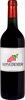
Winery Guido MazzarelloDolcetto
 Red wine
In the mouth this red wine is a powerful.
This wine generally goes well with beef, game (deer, venison) or lamb.
Taste structure of the Dolcetto from the Winery Guido Mazzarello
Light | Bold | |
Smooth | Tannic | |
Dry | Sweet | |
Soft | Acidic |
In the mouth the Dolcetto of Winery Guido Mazzarello in the region of Piedmont is a powerful.
Food and wine pairings with Dolcetto
Pairings that work perfectly with Dolcetto



Original food and wine pairings with Dolcetto

The Dolcetto of Winery Guido Mazzarello matches generally quite well with dishes of beef, pasta or lamb such as recipes of roast pork with pineapple, maultaschen ( swabian ravioli ) or crusted lamb fillets with sweet spices.
Details and technical informations about Winery Guido Mazzarello's Dolcetto.
Discover the grape variety: Babic
This is an old indigenous variety that has been cultivated for a long time in Croatia, especially in central and southern Dalmatia. It can also be found in Hungary, in the former Yugoslavia to which Croatia belonged... in France it is almost unknown. It should be noted that it would be related with the dobricic and thus also with the plavac mali its son. Babic should not be confused with babica crni, another Croatian black grape variety.
Informations about the Winery Guido Mazzarello
The Winery Guido Mazzarello is one of of the world's greatest estates. It offers 25 wines for sale in the of Piedmont to come and discover on site or to buy online.

The wine region of Piedmont
Piedmont (Piemonte) holds an unrivalled place among the world's finest wine regions. Located in northwestern Italy, it is home to more DOCG wines than any other Italian region, including such well-known and respected names as Barolo, Barbaresco and Barbera d'Asti. Though famous for its Austere, Tannic, Floral">floral reds made from Nebbiolo, Piedmont's biggest success story in the past decade has been Moscato d'Asti, a Sweet, Sparkling white wine. Piedmont Lies, as its name suggests, at the foot of the Western Alps, which encircle its northern and western sides and form its naturally formidable border with Provence, France.
The word of the wine: Maturing (champagne)
After riddling, the bottles are stored on "point", upside down, with the neck of one bottle in the bottom of the other. The duration of this maturation is very important: in contact with the dead yeasts, the wine takes on subtle aromas and gains in roundness and fatness. A brut without year must remain at least 15 months in the cellar after bottling, a vintage 36 months.