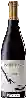
Winery Gsellmann AndreasHeideboden
 Red wine



This wine generally goes well with blue cheese, pork or rich fish (salmon, tuna etc).

Wine flavors and olphactive analysis


On the nose the Heideboden of Winery Gsellmann Andreas in the region of Weinland often reveals types of flavors of oak.
Food and wine pairings with Heideboden
Pairings that work perfectly with Heideboden



Original food and wine pairings with Heideboden


The Heideboden of Winery Gsellmann Andreas matches generally quite well with dishes of lamb, pork or rich fish (salmon, tuna etc) such as recipes of sri lankan lamb rolls (mutton rolls), pizza calzone with ham and mushrooms or mackerel with quick mustard.
Details and technical informations about Winery Gsellmann Andreas's Heideboden.
Discover the grape variety: Zweigelt
Supple and fruity reds with a vivid ruby colour, soft tannins and snappy acidity, with aromas of sour cherry, raspberry, red plum and gentle spices. Made as easy-drinking young reds and as more structured, oak-aged cellar wines. The most planted red variety in Austria (Burgenland, Carnuntum, Neusiedlersee), created in 1922 by Friedrich Zweigelt in Klosterneuburg, a cross of saint laurent × blaufränkisch.
Last vintages of this wine
The best vintages of Heideboden from Winery Gsellmann Andreas are 2013, 2017, 0, 2012 and 2015.
Informations about the Winery Gsellmann Andreas
The Winery Gsellmann Andreas is one of of the world's greatest estates. It offers 18 wines for sale in the of Heideboden to come and discover on site or to buy online.

The wine region of Heideboden
Sub-zone of northern Burgenland between Gols and Lake Neusiedl (Neusiedlersee DAC, gravelly sandy-loam soils with limestone, Pannonian climate with hot sunny summers). Blaufränkisch signature in red: juicy blackcurrant notes and mineral tension from gravel, fresh crunchy tannins. Zweigelt, Pinot Noir and St-Laurent as complementary reds, aged in used French barrels.
The wine region of Weinland
Vast German-speaking region in north-eastern Switzerland, the country's largest production area. Signature Pinot Noir (Blauburgunder): fine, fresh reds with notes of cherry, raspberry, undergrowth and sweet spices, silky tannins. Elegant, delicate style, often barrel-aged. Also light, floral Müller-Thurgau (Riesling-Sylvaner), lively, lemony native Räuschling, ample Pinot Gris.
The word of the wine: Cuvée prestige (champagne)
Vintage or not, it is composed of a selection of terroirs and generally comes from the first press after eliminating the very first juices that come out of the press. The best known? Dom Pérignon, Cristal de Roederer, Grand Siècle de Laurent-Perrie, Louise at Pommery. In fact, all the houses and most of the independent winegrowers have their own prestige cuvee.