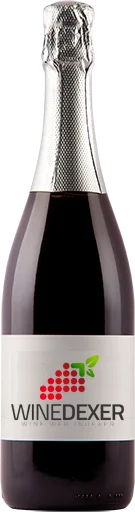
Winery GrifoGryfus Moscato Dolce
 Sparkling wine



This wine generally goes well with sweet desserts

Wine flavors and olphactive analysis

Food and wine pairings with Gryfus Moscato Dolce
Pairings that work perfectly with Gryfus Moscato Dolce

Original food and wine pairings with Gryfus Moscato Dolce
The Gryfus Moscato Dolce of Winery Grifo matches generally quite well with dishes of sweet desserts such as recipes of express kiwi and chocolate tartlet.
Details and technical informations about Winery Grifo's Gryfus Moscato Dolce.
Discover the grape variety: Clairette
Vibrant and fresh rosés and clairets with a pale robe and tender mouth, featuring aromas of white flowers, citrus, fennel and delicate anise notes. Moderate acidity, light finish. A pink-skinned mutation of clairette blanche, occasionally blended into Provençal and Languedoc rosés. Clairette blanche signs Clairette de Die, Clairette du Languedoc AOC and enters Châteauneuf-du-Pape whites. Native southern French grape.
Last vintages of this wine
The best vintages of Gryfus Moscato Dolce from Winery Grifo are 0
Informations about the Winery Grifo
The Winery Grifo is one of of the world's great estates. It offers 69 wines for sale in the of Puglia to come and discover on site or to buy online.

The wine region of Puglia
Heel of the boot, 80% red vineyard, sunny and generous. Fleshy, jammy Primitivo (= Zinfandel) with notes of black cherry, plum, chocolate and spices, powerful alcohol and melted tannins, a star in Primitivo di Manduria. Deep, structured Negroamaro (black-bitter) with a bitter finish in Salice Salentino. Structured Nero di Troia, spicy Susumaniello.
The word of the wine: Vintage scale
Complex system of classification of the communes of Champagne according to the value of the grapes which are produced there. In other regions, hierarchical situation of the productions classified by various authorities.


