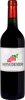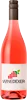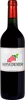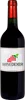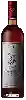
Winery Dominique LaporteGrand Lonis Bordeaux Rosé
 Pink wine


This wine generally goes well with

Details and technical informations about Winery Dominique Laporte's Grand Lonis Bordeaux Rosé.
Discover the grape variety: Terret
Polymorphic family (blanc, gris and noir, mutations of the same variety) yielding crisp, saline whites with citrus, white flowers, fennel and iodine notes, or light fruity reds. Refreshing palate with preserved acidity under warm conditions. Traditional component of Picpoul de Pinet AOC, present in Languedoc, Côtes-du-Rhône AOC and Châteauneuf-du-Pape AOC (terret noir authorised). Very old Languedoc autochthonous variety, signature of Mediterranean coastal terroirs.
Last vintages of this wine

The best vintages of Grand Lonis Bordeaux Rosé from Winery Dominique Laporte are 2012, 0
Informations about the Winery Dominique Laporte
The Winery Dominique Laporte is one of of the world's great estates. It offers 27 wines for sale in the of Bordeaux to come and discover on site or to buy online.

The wine region of Bordeaux
World-renowned age-worthy reds, led by round Merlot (plum, black fruit) or firm Cabernet Sauvignon (blackcurrant, cedar, graphite), blended with Cabernet Franc and Petit Verdot for tannic structure. Structured Médoc and Graves, velvety Saint-Émilion and Pomerol. Also crisp dry whites (Sauvignon/Sémillon) and opulent sweet Sauternes with honey and candied fruit. A 110,000 ha Gironde vineyard, 65 appellations, cradle of the 1855 classified growths.
The word of the wine: Smell
A generic term for both unpleasant and pleasant odours known as perfumes. In the world of tasting, the term aroma is more commonly used.