The Winery Grand C of Alsace

The Winery Grand C is one of the best wineries to follow in Alsace.. It offers 16 wines for sale in of Alsace to come and discover on site or to buy online.
Looking for the best Winery Grand C wines in Alsace among all the wines in the region? Check out our tops of the best red, white or effervescent Winery Grand C wines. Also find some food and wine pairings that may be suitable with the wines from this area. Learn more about the region and the Winery Grand C wines with technical and enological descriptions.
How Winery Grand C wines pair with each other generally quite well with dishes of shellfish, poultry or appetizers and snacks such as recipes of shrimp in red sauce, butter chicken or chicken makkhani (india) or kale chips.
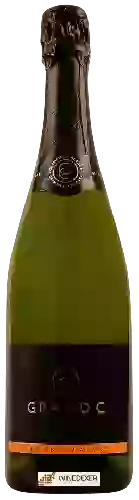
On the nose the sparkling wine of Winery Grand C. often reveals types of flavors of pear, tree fruit. In the mouth the sparkling wine of Winery Grand C. is a powerful with a nice vivacity and a fine and pleasant bubble.
Alsace, located in the extreme north-east of France, is Distinguished from other French wine regions by its strong Franco-Germanic influences. These influences are the result of a back-and-forth between the German and French sovereignties over the last few centuries. They can be seen not only in the architecture and culture of Alsace, but also in the wines. Alsace wines are produced under three main appellations: Alsace and Alsace Grand Cru for still white wines (Sweet and Dry), and Crémant d'Alsace for Sparkling wines.
Almost all the wines produced in this region fall under one of these three appellations. Alsace Grand Cru wines are produced from one of the 51 privileged vineyards spread along the Length of the region. Alsace is the only French wine region to produce significant quantities of Riesling and Gewurztraminer. These two grape varieties are more commonly associated with German wines and are reminiscent of Alsace's history.
How Winery Grand C wines pair with each other generally quite well with dishes of pork, rich fish (salmon, tuna etc) or shellfish such as recipes of meatloaf with lovage (perpetual celery), salmon steaks with lemon and shallot sauce or fish and shrimp curry.
On the nose the white wine of Winery Grand C. often reveals types of flavors of lemon, citrus fruit. In the mouth the white wine of Winery Grand C. is a .
Originally from Bordeaux, Sauvignon, or Sauvignon Blanc, is reputed to be one of the best French grape varieties for white wine. It is a white grape variety, not to be confused with Sauvignon Gris and its pale yellow color, or with Cabernet Sauvignon which produces red wines. Particularly famous thanks to Sancerre, Sauvignon Blanc is cultivated as far as New Zealand, where it produces great wines whose reputation is well established.
How Winery Grand C wines pair with each other generally quite well with dishes of pasta, vegetarian or appetizers and snacks such as recipes of eggplant lasagna, vegan leek and tofu quiche or gougèress.
A term often used to designate wineries, even if they do not have a real castle.
How Winery Grand C wines pair with each other generally quite well with dishes of beef, pasta or veal such as recipes of beef coarse salt, shrimp marinade or chicken with rice for cookeo robot.
On the nose the red wine of Winery Grand C. often reveals types of flavors of earth, oak or red fruit. In the mouth the red wine of Winery Grand C. is a with a nice freshness.
Gewurztraminer rosé is a grape variety that originated in France. It produces a variety of grape specially used for wine making. It is rare to find this grape to eat on our tables. This variety of vine is characterized by small bunches and small grapes. Gewurztraminer rosé can be found in many vineyards: Alsace, Loire Valley, Languedoc & Roussillon, Jura, Champagne, Lorraine, Provence & Corsica, Rhone Valley, Savoie & Bugey, Beaujolais, South West.
Planning a wine route in the of Alsace? Here are the wineries to visit and the winemakers to meet during your trip in search of wines similar to Winery Grand C.
White muscat is a white grape variety of Greek origin. Present in several Mediterranean vineyards, it has several synonyms such as muscat de Die, muscat blanc and frontignac. In France, it occupies a little less than 7,000 ha out of a total of 45,000 ha worldwide. Its young shoots are downy. Its youngest leaves are shiny, bronzed and scabrous. The berries and bunches of this variety are all medium-sized. The flesh of the berries is juicy, sweet and firm. Muscat à petits grains has a second ripening period and buds early in the year. It is moderately vigorous and must be pruned short. It likes poor, stony slopes. This variety is often exposed to spring frosts. It fears mildew, wasps, grape worms, court-noué, grey rot and powdery mildew. Muscat à petits grains is used to make rosé wines and dry white wines. Orange, brown sugar, barley sugar and raisins are the known aromas of these wines.