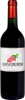
Winery NemeaΟ Μικρός Ερυθρός (The Little Red)
 Red wine


This wine generally goes well with

Details and technical informations about Winery Nemea's Ο Μικρός Ερυθρός (The Little Red).
Discover the grape variety: Agiorgitiko
Supple and structured reds with a deep ruby colour, melted tannins and moderate acidity, on intense aromas of ripe red and black fruits (cherry, plum, blackberry), sweet spices, Mediterranean herbs and balsamic notes. Made as young approachable reds, fresh rosés and barrel-aged keepers. The absolute star of Nemea PDO in the Peloponnese (Greece's flagship red appellation). Native Greek variety, one of the most widely planted in the country.
Last vintages of this wine
The best vintages of Ο Μικρός Ερυθρός (The Little Red) from Winery Nemea are 2017, 0
Informations about the Winery Nemea
The Winery Nemea is one of of the world's great estates. It offers 31 wines for sale in the of Nemea to come and discover on site or to buy online.

The wine region of Nemea
Flagship Peloponnese appellation (north-east) and Greece's largest red PDO: exclusive signature Agiorgitiko in red (Saint George grape) — deep ruby with concentrated signature aromas of cherry, raspberry, pomegranate, plum and a cassis touch, spicy profile, moderate acidity and generous fruit. Versatile style — light, easy reds to drink young, complex age-worthy reds, sometimes sweet. PDO Nemea, varied altitude, signature diurnal swings, late-ripening grape.
The wine region of Peloponnesos
Southern Greece, the country's 2nd region by volume, high-altitude vineyards (200-900 m). Signature Agiorgitiko at Nemea ("Hercules' Blood"): deep ruby reds with signature notes of black cherry, plum, blackberry, sweet spices and a balsamic touch, supple tannins and a velvety palate — fleshy and accessible. At Mantinia (600 m), pink-skinned Moschofilero gives aromatic whites (rose, citrus, white flowers). Sweet fortified Mavrodaphne, fresh Roditis.
The word of the wine: White winemaking
White wines are obtained by fermentation of the juice after pressing. A pre-fermentation maceration is sometimes practiced to extract the aromatic substances from the skins. White wines are normally made from white grapes, but can also be made from red grapes (blanc de noirs). The grapes are then pressed as soon as they arrive at the vat house without maceration in order to prevent the colouring matter contained in the skins from "staining" the wine.