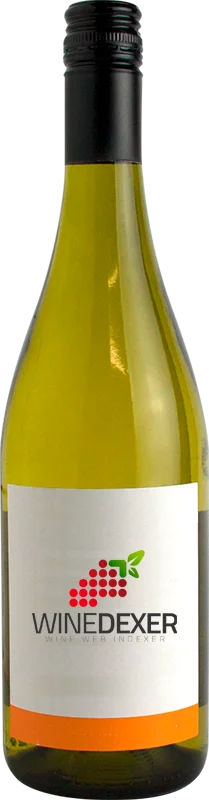
Winery FoivosBarcarola
 White wine



This wine generally goes well with
The Barcarola of the Winery Foivos is in the top 40 of wines of Cephalonia.

Wine flavors and olphactive analysis



On the nose the Barcarola of Winery Foivos in the region of Ionian Islands often reveals types of flavors of citrus fruit.
Details and technical informations about Winery Foivos's Barcarola.
Discover the grape variety: Spätburgunder
Elegant, structured reds with ruby colour ranging from light to intense, fine silky tannins and fresh acidity, showing signature aromas of red fruits (cherry, raspberry, strawberry), forest floor, spices, leather and earthy notes. Fine ageing potential, excelling on schist and volcanic soils. Star of the great German reds of Baden VDP, Palatinate VDP and Ahr VDP. German synonym for Pinot Noir, the Burgundian variety raised to high standards in Germany.
Last vintages of this wine
The best vintages of Barcarola from Winery Foivos are 0
Informations about the Winery Foivos
The Winery Foivos is one of of the world's greatest estates. It offers 26 wines for sale in the of Cephalonia to come and discover on site or to buy online.

The wine region of Cephalonia
PDO of Kefalonia (Ionian Islands, Greece) in the Omala valley and on calcareous slopes 300–800 m, the most mountainous island of the archipelago, cool marine breezes. Robola is the exclusive signature white king: dry and taut with citrus, green apple, white flowers, herbs and iodine-saline mineral touch, vibrant quenching acidity. Mavrodaphne intense in naturally sweet fortified red (fig, dried fruits, coffee), aromatic Muscat. Robola Cooperative founded 1982.
The wine region of Ionian Islands
Greek PGI of the Ionian Sea islands (Corfu, Cephalonia, Zakynthos, Ithaca, Lefkada, Kythira), temperate maritime climate. Robola of Cephalonia is the indigenous signature white — taut and mineral with bright citrus, lemon, green apple, white flowers and a flint-saline note from limestone altitude (Mount Ainos), brilliant acidity. Golden Muscat and Mavrodaphne as sweet fortified historical cuvées. Rare indigenous Vostilidi, Tsaousi and Zakynthino as complements.
The word of the wine: Draft liquor (champagne)
After blending, the wine is bottled with a liqueur de tirage (a mixture of sugar and wine) and a yeast (selected yeasts). The yeast attacks the sugar and creates carbon dioxide. The fermentation, which lasts about two months, is prolonged by an ageing period (15 months minimum in total). The bottle is capped (some rare vintages are capped with a staple and a cork).


