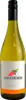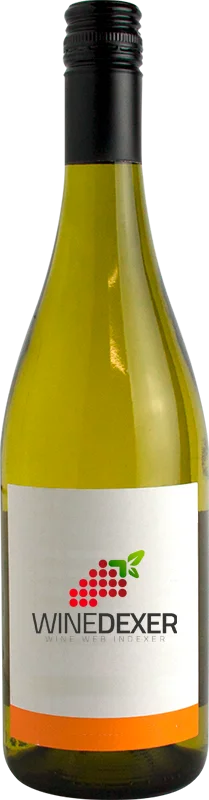
Winery Gotto d'OroMarino Superiore
 White wine


In the mouth this white wine is a with a nice freshness.
This wine generally goes well with vegetarian, appetizers and snacks or lean fish.
Taste structure of the Marino Superiore from the Winery Gotto d'Oro
Light | Bold | |
Dry | Sweet | |
Soft | Acidic |
In the mouth the Marino Superiore of Winery Gotto d'Oro in the region of Lazio is a with a nice freshness.
Food and wine pairings with Marino Superiore
Pairings that work perfectly with Marino Superiore



Original food and wine pairings with Marino Superiore


The Marino Superiore of Winery Gotto d'Oro matches generally quite well with dishes of pasta, vegetarian or appetizers and snacks such as recipes of fish lasagne, spinach and goat cheese quiche or tuna wraps.
Details and technical informations about Winery Gotto d'Oro's Marino Superiore.
Discover the grape variety: Foch
Interspecific crossing between 101-14 Millardet and Grasset (vitis riparia X vitis rupestris) and the goldriesling obtained by Eugène Kühlmann around 1911. With these same parents, he obtained among others the Léon Millot. Maréchal Foch is still found in Canada (Quebec) where it is the first black grape variety, in the north-east of the United States, etc. In France, it is hardly present in the vineyard any more, although it is registered in the Official Catalogue of Vine Varieties list A.
Last vintages of this wine
The best vintages of Marino Superiore from Winery Gotto d'Oro are 2017, 2018, 2015, 0 and 2016.
Informations about the Winery Gotto d'Oro
The Winery Gotto d'Oro is one of of the world's greatest estates. It offers 63 wines for sale in the of Lazio to come and discover on site or to buy online.

The wine region of Lazio
Lazio is a region in CentralItaly, where the ancient capital of Rome is located. The region's reputation is based primarily on its white wines, the main varieties of which are Trebbiano, Malvasia di Candia and Malvasia Puntinata. Traditionally, these wines were fat, Round, abboccato and intended for immediate consumption. Today, the styles are lighter, drier and crisper thanks to modern winemaking methods.
The word of the wine: Tressallier
White grape variety from the Allier region, identical to the Sacy variety grown in Burgundy. Rarely vinified on its own, it is used in the blending of Saint-Pourçain white wines, associated with chardonnay, the main grape variety of the appellation. Syn.: sacy.