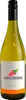
Winery GlatzGrauburgunder Klassik
 White wine


In the mouth this white wine is a .
This wine generally goes well with pork, cured meat or mushrooms.

Taste structure of the Grauburgunder Klassik from the Winery Glatz
Light | Bold | |
Dry | Sweet | |
Soft | Acidic |
In the mouth the Grauburgunder Klassik of Winery Glatz in the region of Steirerland is a .
Food and wine pairings with Grauburgunder Klassik
Pairings that work perfectly with Grauburgunder Klassik



Original food and wine pairings with Grauburgunder Klassik

The Grauburgunder Klassik of Winery Glatz matches generally quite well with dishes of pork, spicy food or mushrooms such as recipes of simmered pork cheeks with cream sauce and dijon mustard, creole chipolatas or delicious bourguignon.
Details and technical informations about Winery Glatz's Grauburgunder Klassik.
Discover the grape variety: Pinot gris
Rich, ample whites with a golden robe, showing aromas of pear, quince, honey, smoke, ginger and spice. Made as structured dry wines (Alsace AOC), off-dry and sumptuous late-harvest sweet (vendange tardive, sélection de grains nobles). Lighter and crisper in Italy as Pinot Grigio (Veneto, Friuli). Also in Germany (Grauburgunder), Hungary (Szürkebarát) and Oregon. A grey mutation of Pinot Noir.
Last vintages of this wine
The best vintages of Grauburgunder Klassik from Winery Glatz are 0
Informations about the Winery Glatz
The Winery Glatz is one of of the world's greatest estates. It offers 9 wines for sale in the of Steiermark to come and discover on site or to buy online.

The wine region of Steiermark
Austrian reference for lively, aromatic whites (75% of output). Star Sauvignon Blanc (qualitative banner of southern Styria): precise and taut with signature notes of gooseberry, grapefruit, nettle, cut grass and white pepper, an incisive finish. Fresh, lemony Welschriesling (the most planted), ample Morillon (Chardonnay), floral, muscat Muskateller. Spicy Schilcher rosé in West-Steiermark.
The wine region of Steirerland
Austrian Styria, the country's southernmost region around Graz down to the Slovenian border, vineyards on steep slopes up to 700 m, temperate southern climate. Signature Sauvignon Blanc as white king: lively and precise with notes of grapefruit, passion fruit, boxwood, elderflower and a mineral touch — mountain benchmark. Tense Welschriesling (green apple, citrus), ample Morillon (Chardonnay), floral Muskateller. Rustic Schilcher rosé from Blauer Wildbacher.
The word of the wine: Decommissioning
Removal of the right to the appellation of origin of a wine; it is then marketed as Vin de France.