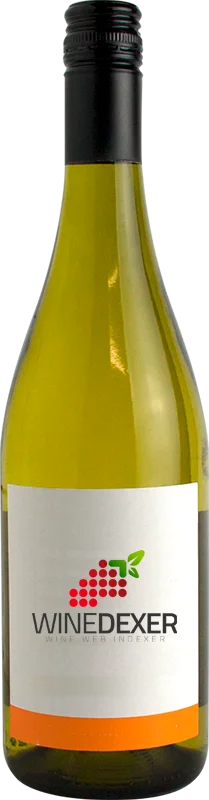
Winery Givierge Pere & FilsCheverny Sauvignon Blanc
 White wine
This wine generally goes well with pork, vegetarian or shellfish.

Food and wine pairings with Cheverny Sauvignon Blanc
Pairings that work perfectly with Cheverny Sauvignon Blanc



Original food and wine pairings with Cheverny Sauvignon Blanc

The Cheverny Sauvignon Blanc of Winery Givierge Pere & Fils matches generally quite well with dishes of rich fish (salmon, tuna etc), shellfish or vegetarian such as recipes of hard-boiled eggs and gourmet muffins, phad thai (thai style fried noodles) or cream and tuna quiche.
Details and technical informations about Winery Givierge Pere & Fils's Cheverny Sauvignon Blanc.
Discover the grape variety: Çal Karası
Light reds with a clear ruby robe, smooth tannins and a vivid palate with bright acidity, showing signature aromas of red fruits (cherry, pomegranate), mild spices and floral notes. Also vinified as bright, refreshing rosés. Star of the Denizli region in western Anatolia, one of the great ambassadors of the Turkish variety revival. Turkish autochtone black variety.
Informations about the Winery Givierge Pere & Fils
The Winery Givierge Pere & Fils is one of of the world's greatest estates. It offers 2 wines for sale in the of Cheverny to come and discover on site or to buy online.

The wine region of Cheverny
Touraine AOC at the gates of the Château de Cheverny (Loir-et-Cher, 1993): signature Sauvignon Blanc white king (60-80%) blended with Chardonnay, Arbois or Pineau — lively and fine with notes of blackcurrant, liquorice, citrus and chiselled elegance. Signature Pinot Noir and Gamay red kings — a Burgundy-Beaujolais hybrid profile with cherry, raspberry, redcurrant and a peppery touch, fresh and crunchy, low tannins, fine acidity. Blending mandatory.
The wine region of Loire Valley
Kingdom of lively, dry whites and fine sparklers. Mineral, taut Sauvignon Blanc (Sancerre, Pouilly-Fumé) with citrus and gunflint notes. Multiform Chenin Blanc (Vouvray, Savennières, Layon): straight dry, floral off-dry or noble sweet honey-quince. Saline, iodised Muscadet (Melon B.
The word of the wine: Côte des Bar
This is the name given to the vineyards of the Aube, which are closer to Burgundy, and some of the wines produced here bear witness to this proximity. The pinot noir dominates, the meunier is practically absent. Two crus have become references: Riceys, where a rosé without bubbles is also produced, and Montgueux near Troyes, renowned for its Chardonnay.