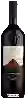
Winery Giorno NuovoSecco Rosso
 Red wine


In the mouth this red wine is a powerful.
This wine generally goes well with beef, game (deer, venison) or lamb.
Taste structure of the Secco Rosso from the Winery Giorno Nuovo
Light | Bold | |
Smooth | Tannic | |
Dry | Sweet | |
Soft | Acidic |
In the mouth the Secco Rosso of Winery Giorno Nuovo in the region of Veneto is a powerful.
Food and wine pairings with Secco Rosso
Pairings that work perfectly with Secco Rosso



Original food and wine pairings with Secco Rosso

The Secco Rosso of Winery Giorno Nuovo matches generally quite well with dishes of beef, pasta or lamb such as recipes of tunisian molokheya, quiche with tartiflette or lamb tagine with figs.
Details and technical informations about Winery Giorno Nuovo's Secco Rosso.
Discover the grape variety: Colombaud
The colombaud grape variety is equally appreciated as a white table grape and as a wine grape. Originally from Provence, it is practically no longer found in the vineyards. It is known under several other names, including poupousaoumo, courambaou and bouteillan. An amber veil covers them on the sides most exposed to the sun. The thin, crumbly greenish skin protects an ellipsoidal or spherical pulp, juicy and firm in consistency. The pulp has a simple, pleasant and slightly spicy taste. The berries are gathered in bunches carried by strong peduncles. The grapes are of medium length, compact and cylindrical-conical in shape, often with fins, and are harvested at the third medium period, as the grapevine buds late. Short pruning is best suited to this semi-erect plant, which likes exposed, warm soil.
Last vintages of this wine
The best vintages of Secco Rosso from Winery Giorno Nuovo are 2015, 2016, 0
Informations about the Winery Giorno Nuovo
The Winery Giorno Nuovo is one of of the world's greatest estates. It offers 9 wines for sale in the of Veneto to come and discover on site or to buy online.

The wine region of Veneto
Veneto is an important and growing wine region in northeastern Italy. Veneto is administratively Part of the Triveneto area, aLong with its smaller neighbors, Trentino-Alto Adige and Friuli-Venezia Giulia. In terms of geography, culture and wine styles, it represents a transition from the Alpine and Germanic-Slavic end of Italy to the warmer, drier, more Roman lands to the South. Veneto is slightly smaller than the other major Italian wine regions - Piedmont, Tuscany, Lombardy, Puglia and Sicily - but it produces more wine than any of them.
The word of the wine: Over-ripeness
Characteristic of grapes harvested late, rich in sugar, which give wines often mellow and marked by candied aromas.